











After wisdom teeth extraction, it is completely normal to feel unsure about how to keep your mouth clean without disturbing the area that has just been treated. You might notice a strong taste of blood, food collecting at the back of your mouth, or worry that not brushing properly will lead to new decay or infection.
This guide from Karana Downs Dental explains when you can brush your teeth after wisdom tooth removal, how to do it gently, and what to avoid while the area heals. It is designed as general education and does not replace the specific post‑operative instructions your own dentist or oral surgeon has given you.
Note: Individual results may vary. Any surgical or invasive procedure carries risks. Before proceeding, you should seek a second opinion from an appropriately qualified health practitioner.
Why cleaning still matters after wisdom teeth extraction
Even though the area feels tender, keeping the rest of your mouth as clean as you comfortably can is important. Good oral hygiene helps lower the number of bacteria in your mouth, which supports normal healing of the extraction socket and surrounding gum tissue.
After a tooth extraction, Australian guidelines generally explain that a blood clot forms in the socket and the gum can take around one to two weeks to heal, depending on the complexity of the procedure and your general health. During this time, the way you brush and rinse needs to be modified so the clot is not dislodged.

The golden rule: protect the blood clot and prevent dry socket
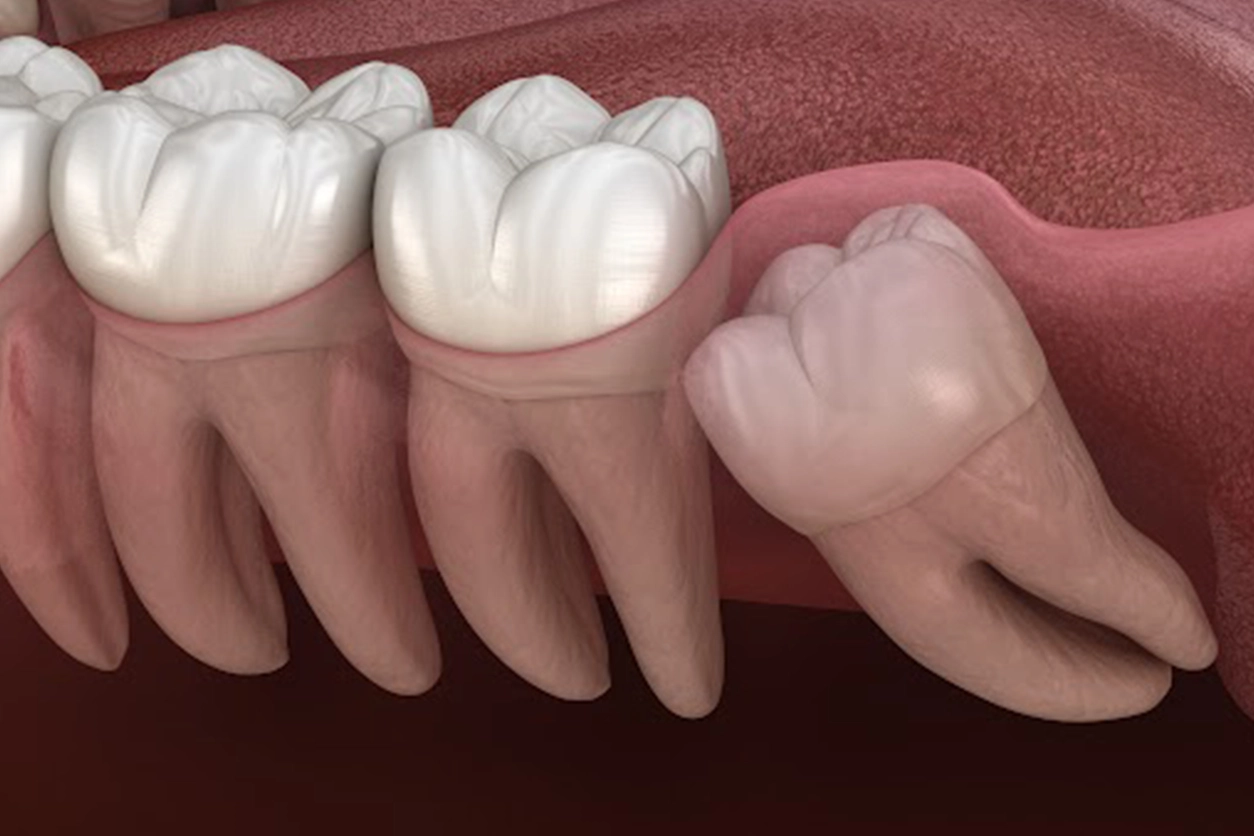
The blood clot that forms where your wisdom tooth was removed acts a bit like a natural bandage over the underlying bone and nerve. If this clot is lost too early, the bone can be exposed to the mouth, which may lead to a condition known as dry socket (alveolar osteitis).
Dry socket usually causes throbbing pain that can radiate to the ear or side of the face, often starting a few days after the extraction. This is why any instructions on brushing your teeth after wisdom teeth extraction focus on avoiding strong rinsing, sucking through straws, or vigorous spitting in the early days.
First 24 hours: brushing and rinsing do’s and don’ts
In the first 24 hours after wisdom teeth removal, the priority is to allow the blood clot to stabilise in each socket. On the day of surgery:
- Do not brush directly over the extraction site.
- You may gently brush the front teeth and the teeth on the opposite side, as long as you avoid the back area that has been treated.
- Avoid commercial mouthwash unless your dentist has specifically recommended one for you.
- Do not rinse vigorously, spit forcefully, or suck through a straw, as all of these actions can disturb the clot.
If you have had other teeth removed in the past and are interested in how decay starts in the first place, you can read more about the very early stages of decay and what may be reversible in our article on whether tooth decay can be reversed.
Day 2–3: gentle brushing and salt water rinses
From the second day, the blood clot is usually more stable, but still vulnerable to strong forces. Many Australian health resources advise that, after the first 24 hours, you can begin to gently rinse with warm, salty water after meals and before bed to help keep the area clean.
A simple salt water rinse can be made by dissolving about half a teaspoon of table salt into a glass of warm (not hot) water. Rather than swishing the solution around your mouth, tilt your head from side to side so the liquid bathes the area, then open your mouth and let it fall out into the basin instead of spitting forcefully.
When it comes to brushing:
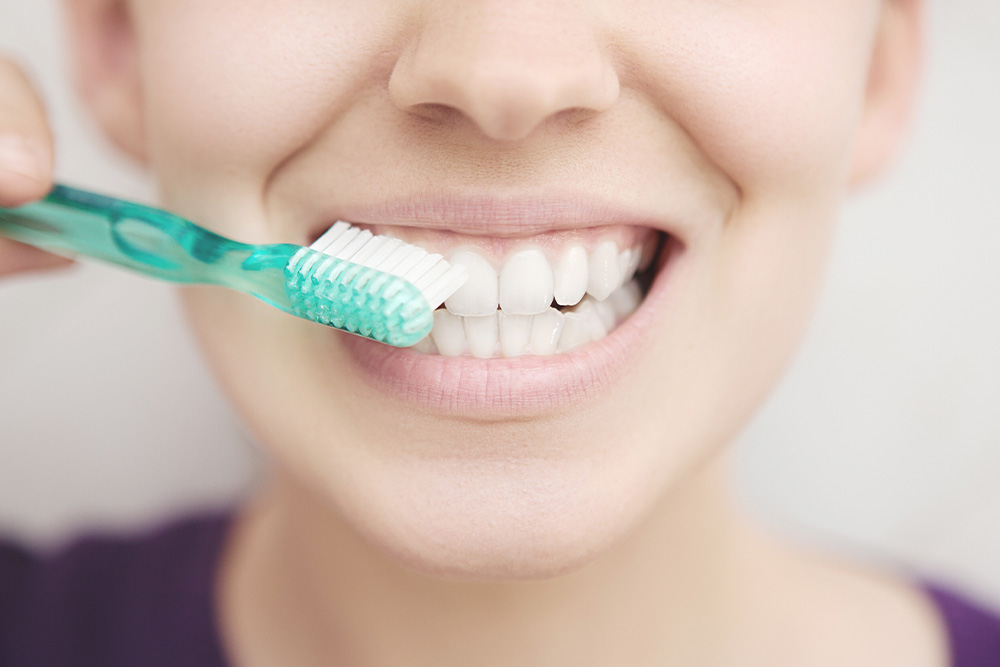
- Use a soft‑bristled toothbrush.
- Brush all other teeth as usual, but stop one or two teeth before you reach the extraction site.
- Clean your tongue gently, as this can help with bad breath after tooth removal.
Day 4–7: slowly returning to your normal brushing routine
From around day four, most people can gradually bring their toothbrush a little closer to the extracted wisdom tooth site, as long as this does not cause sharp pain or obvious bleeding. If you have dissolving stitches, they may feel slightly rough; avoid tugging on them with the brush.
Jaw stiffness is common for a few days after wisdom teeth removal, which can make it difficult to open wide. Using a soft, small‑headed toothbrush can make it easier to reach the back teeth without straining your jaw. If you experience lingering sensitivity in other teeth during this time, our broader oral health resources on topics such as decay and enamel wear can be helpful context.
Beyond the first week: what if food keeps getting stuck?
Small food particles can collect in the healing socket or around the gum flap, especially with lower wisdom teeth. This is often uncomfortable but not always a sign of infection. Gentle salt water rinses, as described earlier, are usually the first step.
If trapped food or discomfort around the site is making it hard to eat or sleep, or if you notice a worsening odour or taste, it is a good idea to contact the team that performed your wisdom teeth treatment for personalised advice.
Video: brushing your teeth after wisdom teeth removal
Some people find it easier to follow visual guidance. The video below walks through the general principles of brushing your teeth after wisdom tooth surgery, including using small circles with a soft brush and avoiding strong spitting in the first few days.
Always remember that online videos provide generic guidance only. If the instructions you have been given by your own dentist or oral surgeon differ from what you see online, follow the advice that has been tailored to your situation.
Comparison table: regular brushing vs post‑extraction brushing
The table below summarises how your brushing and rinsing routine changes in the first week after wisdom tooth removal.
This table is intended as general information only and does not replace individual post‑operative instructions.
“Safe brushing” checklist before you start
Before brushing for the first few times after your wisdom teeth removal, it can help to pause and check a few key points.
What if I notice bad breath, a strong taste, or increasing pain?
A mild blood taste and temporary bad breath are common in the first few days because the mouth is healing and you may not be brushing as thoroughly as usual. Gently cleaning your tongue, staying hydrated, and using salt water rinses as recommended can all help.
If you are worried about a persistent odour, or want to understand when bad breath may indicate a complication such as infection or dry socket, you can read more in our article on bad breath after tooth removal. If your pain suddenly worsens a few days after surgery or radiates to your ear or jaw, dry socket may be a possibility and should be assessed promptly.
Costs, insurance and planning for future treatment
Wisdom tooth removal and follow‑up visits are an important investment in your long‑term oral health. If you are planning ahead for treatment, our dental insurance guide for Brisbane explains how different policies may contribute to extractions and related care.
Once your mouth has fully healed, you may wish to discuss longer‑term options for improving the strength or appearance of other teeth, such as restorative work for decay or the dental veneer process in appropriate cases. Any decision about veneers or cosmetic changes should wait until healing is complete and your dentist has confirmed the surrounding teeth and gums are healthy.
When to contact Karana Downs Dental
You should contact a dentist or oral surgeon promptly if you experience any of the following after wisdom teeth extraction:
- Severe or worsening pain that does not improve with the pain relief suggested by your clinician.
- Persistent bleeding that does not slow after biting on gauze as directed.
- Fever, feeling generally unwell, or increasing facial swelling.
- A very strong odour or taste coming from the extraction site that appears to be getting worse.
If you have not yet had your wisdom teeth assessed and are wondering whether removal is appropriate for you, our wisdom teeth information page and tooth extraction service overview provide more detail on when extraction is recommended and what to expect.
If you have any concerns about brushing your teeth after wisdom teeth removal, or are unsure whether what you are experiencing is part of normal healing, please contact Karana Downs Dental for personalised advice.


