











Most Australians will experience a mouth ulcer at some point, often appearing as small, painful sores inside the cheeks, lips, or on the tongue. While these common lesions (known clinically as aphthous ulcers) typically resolve on their own within 10 to 14 days, the discomfort they cause can make eating, speaking, and even brushing your teeth a challenge. Finding the right mouth ulcer treatment depends on understanding the cause and managing the symptoms to support the body’s natural healing process. Note: Individual results may vary.
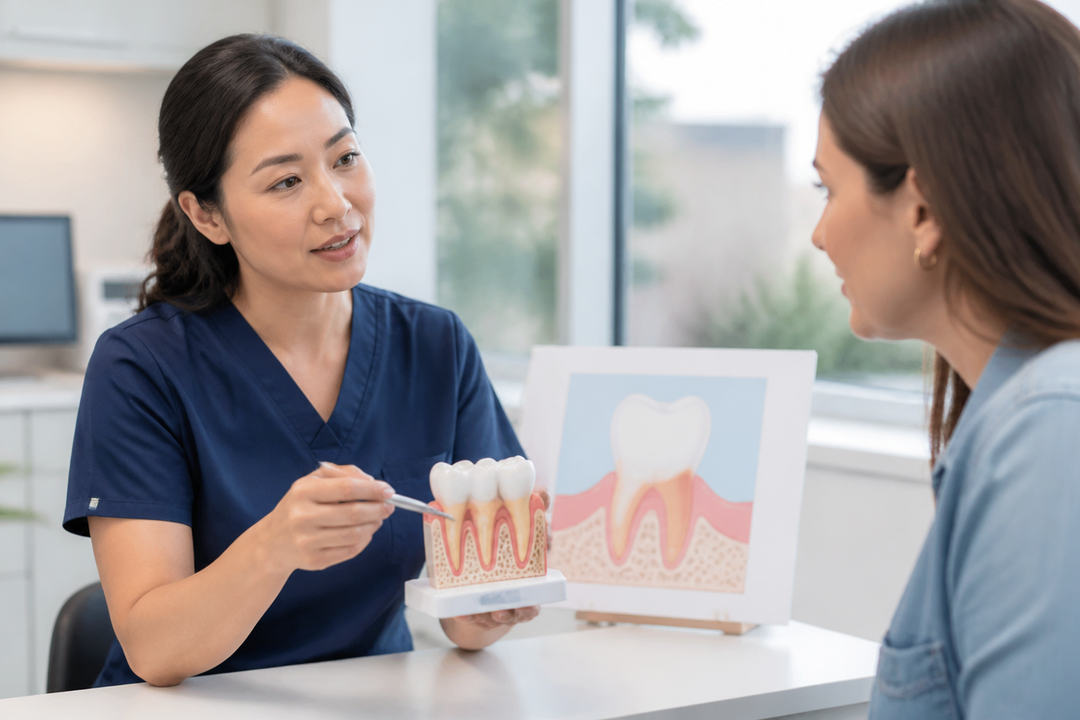
For many patients, a persistent or particularly sharp ulcer may be triggered by a physical irritation, such as a jagged tooth or a poorly fitting dental appliance. In these cases, scheduling a professional check and clean can help identify any mechanical issues that are preventing the tissue from healing or causing recurrent trauma.
What Causes Mouth Ulcers?
Understanding the root cause is the first step toward effective management. Mouth ulcers are not contagious, unlike cold sores, but they are often a sign that your body is reacting to internal or external stressors. Identifying your personal triggers can help reduce the frequency of future outbreaks.
Common Triggers (Stress, Trauma, and Diet)
Physical trauma is a leading cause of mouth sores in Australia. This might include accidentally biting your cheek, "pizza burns" from hot food, or irritation from orthodontic brackets. Psychological stress and lack of sleep are also significant contributors, as they can weaken the immune response in the oral mucosa. Additionally, dietary sensitivities-particularly to acidic foods like citrus fruits or spicy dishes-can exacerbate existing sores or trigger new ones in sensitive individuals.
The Role of Vitamin Deficiencies and Oral Hygiene
Recurrent ulcers can sometimes indicate underlying nutritional gaps. Deficiencies in Vitamin B12, iron, or folic acid are commonly linked to mouth sores. Furthermore, maintaining a high standard of oral hygiene is essential, though it can be difficult when a sore is present. Poor hygiene allows bacteria to accumulate, which may delay healing or lead to secondary infections. For more detailed information on maintaining your smile, you might find our childrens dental health guide useful for establishing family-wide habits.

Pharmacy Treatments for Mouth Ulcers in Australia
When an ulcer is too painful to ignore, several over-the-counter options are available at local pharmacies. These products focus on providing symptomatic relief and creating a protective environment for the ulcerated tissue. It is important to follow the manufacturer's instructions for any pharmacy-grade mouth ulcer treatment.
Topical Pain-Relief Gels (Bonjela, SM-33, Difflam)
Topical gels are often the first line of defence. Brands like Bonjela or SM-33 typically contain mild anaesthetics or anti-inflammatory agents that help numb the area temporarily. These are particularly useful when applied about 15 minutes before meals, allowing you to eat with less discomfort. Difflam rinses or sprays can also assist if the ulcers are located in hard-to-reach areas like the back of the throat.
Protective Pastes (Kenalog in Orabase)
For ulcers that are constantly irritated by the tongue or teeth, a protective paste like Kenalog in Orabase can be highly effective. These pastes act as a "bandage" for the mouth, sticking to the moist tissue and providing a corticosteroid to reduce inflammation. This barrier method prevents further irritation from food and saliva, which can significantly speed up the healing window for larger sores.
Medicated Mouthwashes for Ulcer Management
If brushing is too painful, a chlorhexidine mouthwash can provide essential chemical cleaning. This antibacterial mouthwash for gingivitis helps keep the mouth sterile while the ulcer heals. Alternatively, a cetylpyridinium chloride mouthwash is often used for its antiseptic properties. To avoid further irritation, always choose an alcohol-free mouthwash, as alcohol can cause a sharp stinging sensation on open sores. When using these products, it is vital to understand how to manage mouth ulcers safely at home.

Managing Secondary Gum Issues During Healing
When you have a painful ulcer near the gum line, it is natural to avoid brushing that specific area. However, this localized neglect can lead to a buildup of dental plaque, potentially causing gum inflammation or bleeding gums in the surrounding tissue.
Preventing Inflammation and Bleeding
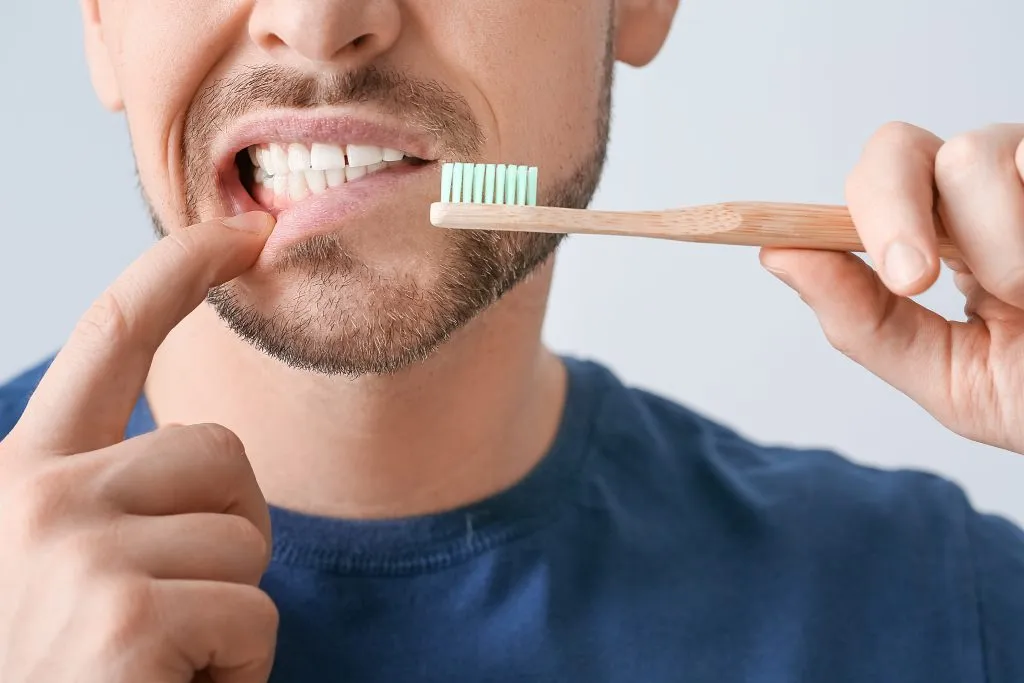
Maintaining plaque control is essential even when a sore is present. If you stop cleaning the area, the bacteria can trigger a localized inflammatory response, making the entire section of your mouth feel tender and swollen. Using a soft-bristled brush and gentle, circular motions can help manage this risk without aggravating the ulcer itself.
Gingivitis Home Care for Ulcer Patients
Effective gingivitis home care during an ulcer breakout involves a "gentle but thorough" approach. If you find that regular brushing is impossible, rinsing with an antibacterial mouthwash for gingivitis can help bridge the gap for a few days. This prevents a temporary sore from turning into a more significant oral health issue. Understanding the importance of regular dental check ups ensures that any underlying gum issues are caught before they become chronic problems.
Comparison: Which Mouth Ulcer Treatment is Right for You?
Choosing the right product depends on the severity and location of your sore. The following table provides a general comparison of common Australian pharmacy options.
Practical Home Care Checklist for Faster Healing
Beyond pharmacy products, simple changes to your daily routine can help the tissue recover more quickly and reduce the intensity of the pain. If you are also dealing with other oral pains, you might wonder how long does a toothache last, which often requires a different diagnostic approach.
- Switch to SLS-Free Toothpaste: Sodium Lauryl Sulfate (SLS) is a foaming agent that can irritate sensitive oral tissues in some people.
- Use a Soft-Bristled Brush: This prevents accidental trauma to the ulcer while you are cleaning your teeth.
- Avoid Acidic and Spicy Foods: Citrus, vinegar, and chilli can cause intense stinging and may prolong inflammation.
- Stay Hydrated: A dry mouth can make ulcers feel more painful and slow down the healing process.
- Salt Water Rinses: A gentle warm salt water rinse can help keep the area clean, though it may sting slightly.
When to See a Dentist About a Mouth Ulcer
While most ulcers are harmless, some require professional investigation. As a general rule, any ulcer that has not healed within three weeks should be examined by a dentist to rule out more serious conditions, including oral cancer. According to Better Health Victoria, persistent sores are a key clinical red flag.
You should also seek assistance if you experience ulcers accompanied by a high fever, ulcers that are spreading to other parts of the mouth, or pain that cannot be managed with over-the-counter medication. If you are unsure, you should contact our dental team for a clinical assessment. Our comprehensive dental treatment services include oral medicine reviews to help diagnose and manage chronic mouth sores.

Frequently Asked Questions (FAQs)
How long to use medicated mouthwash for mouth sores?
Generally, you should only use a chlorhexidine mouthwash for up to 7 to 10 days. Prolonged use can lead to temporary staining of the teeth or altered taste sensations. Always check the specific mouthwash side effects on the product label.
What are the most common mouthwash side effects?
Common mouthwash side effects for medicated rinses include a temporary metallic taste, a dry sensation in the mouth, or mild tooth staining if used for several weeks. Switching to an alcohol-free mouthwash can often reduce the initial burning or drying sensation.
Is an ulcer the same as a cold sore?
No. Mouth ulcers occur inside the mouth on soft tissues and are not contagious. Cold sores are caused by the herpes simplex virus, usually appear on the lips, and are highly contagious.
Why do I keep getting recurrent mouth ulcers?
Recurrent ulcers can be caused by genetics, chronic stress, nutritional deficiencies, or sensitivities to certain ingredients in oral care products. A dentist can help identify the pattern and suggest preventive measures.
Conclusion: Maintaining a Healthy Smile
This article is general information only and does not replace personal medical advice. If symptoms persist or worsen, contact a dentist or your nearest medical service for assessment. Managing mouth ulcers effectively involves a combination of gentle home care, appropriate pharmacy products, and professional oversight when things don't go as planned. If you have a sore that is causing you concern or simply want to ensure your oral health is on the right track, please contact Karanadowns Dental now to arrange a consultation with our experienced team.


