



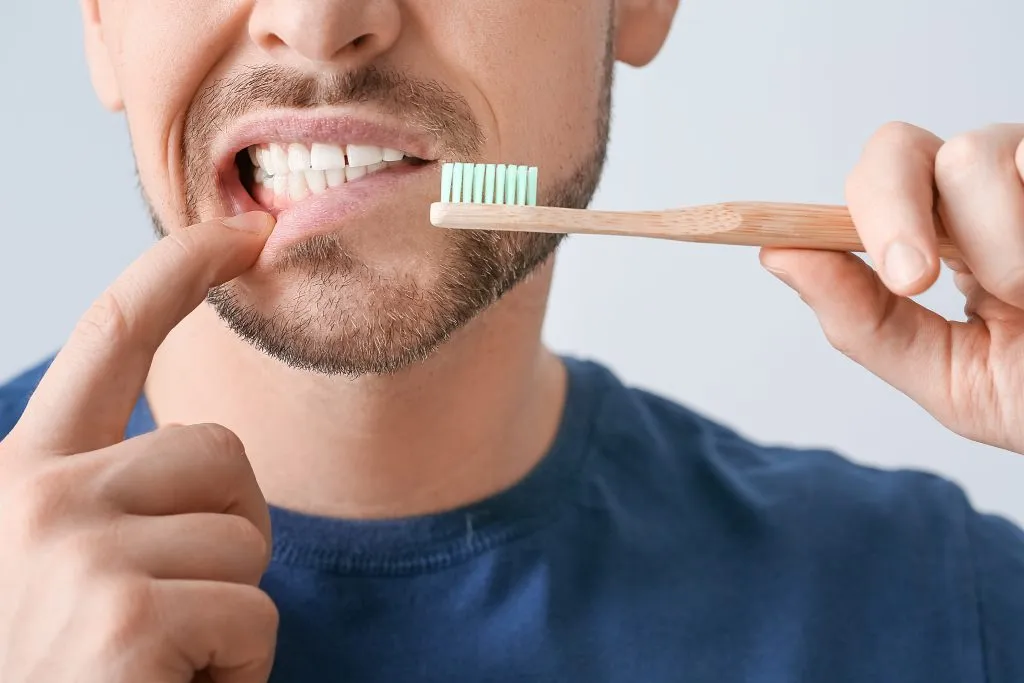



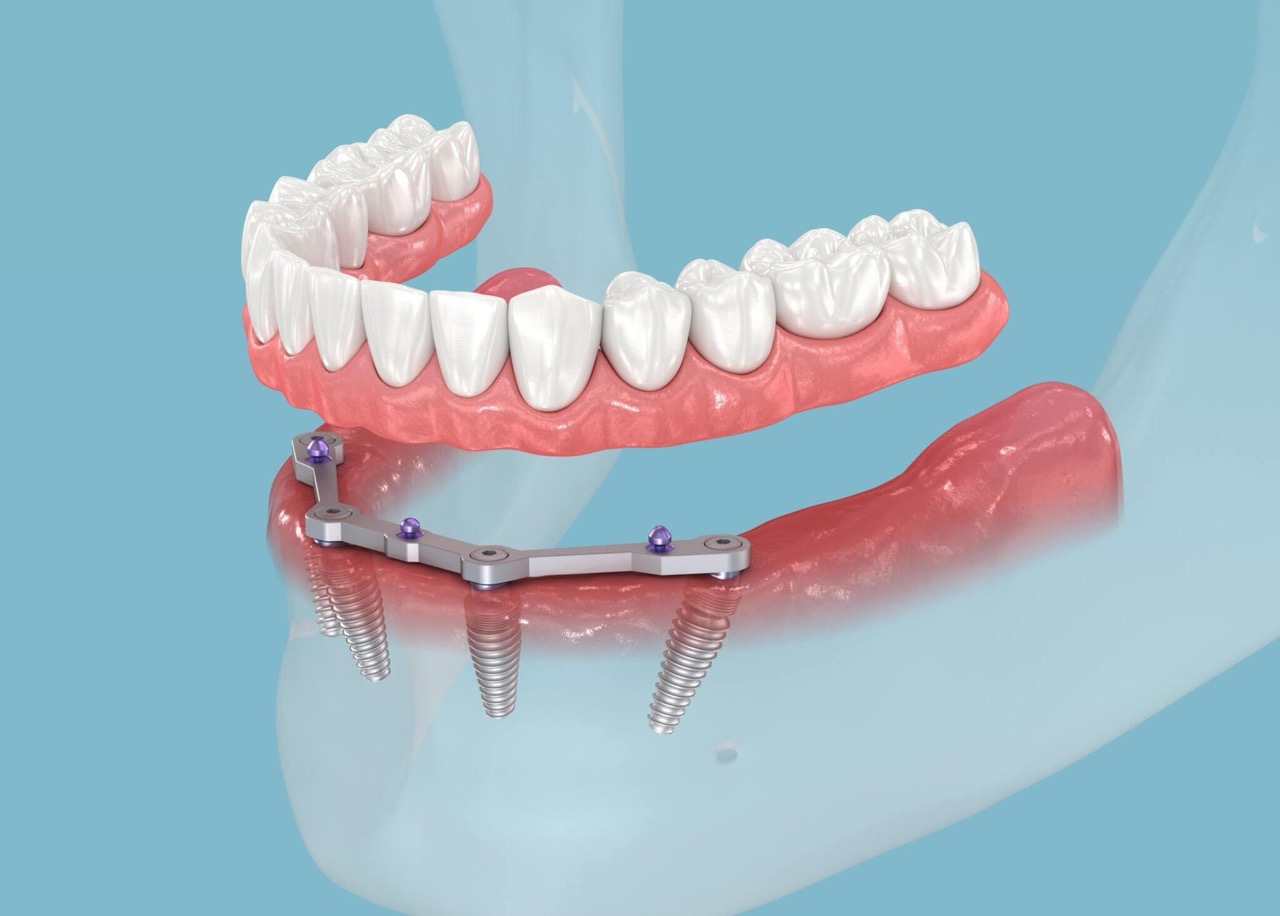


Few things are as distressing as a sudden, sharp, or throbbing pain in your mouth. Whether it is a dull ache that lingers or a sharp jolt when you bite down, a toothache can disrupt your sleep, work, and quality of life. While the immediate instinct is to find toothache relief at home, it is vital to understand that these measures are almost always temporary. A toothache is often a signal from your body that there is an underlying issue—such as decay, gum disease, or a dental abscess—that requires professional attention. Depending on the cause, your dentist may discuss suitable dental treatment options to address pain at the source.
In this guide, we will explore practical, evidence-based methods for temporary toothache relief and discuss the clear clinical indicators that mean you should stop home care and seek professional help. This article is general information only and does not replace personal medical advice. If symptoms persist or worsen, contact a dentist or your nearest medical service for assessment. Note: Individual results may vary.

How to Manage Tooth Pain at Home
Managing dental discomfort involves reducing inflammation and temporarily desensitising the affected nerve. Many tooth pain home remedies focus on these two mechanisms to provide a window of comfort while you wait for your dental appointment. It is important to approach these remedies with caution and follow Australian health guidelines regarding medication and application techniques.
When applying any home remedy, consistency is key, but you must avoid aggressive measures that could damage the soft tissues of your mouth. For example, applying heat directly to a swelling caused by infection can sometimes worsen the condition by encouraging bacterial growth or increasing blood flow to an already high-pressure area. Instead, stick to the following methods which are generally recommended for managing minor discomfort.
Warm Salt Water Rinse
A salt water rinse toothache protocol is one of the most common and effective first steps. Salt water acts as a natural disinfectant and can help loosen food particles or debris lodged between teeth. Furthermore, it helps to reduce inflammation by drawing out excess fluid from the tissues. Many patients find that using salt water for tooth discomfort provides a soothing effect on irritated gums. To prepare this, mix about half a teaspoon of salt into a glass of warm water and rinse your mouth thoroughly for 30 seconds before spitting it out.
Cold Compresses for Inflammation
A cold compress for tooth pain is particularly useful if the ache is accompanied by swelling or was caused by a physical injury. The cold temperature causes the blood vessels in the area to constrict, which reduces the severity of the pain and helps control inflammation. Wrap a bag of ice or a cold pack in a towel and apply it to the affected area of your face for 20 minutes at a time, followed by a 20-minute break. This cycle can be repeated several times a day to help manage acute symptoms.
Over-the-Counter Pain Management (Australian Guidelines)
For many, over the counter pain relief for toothache is the most reliable way to maintain function until a dentist can be seen. In Australia, medications containing paracetamol or ibuprofen are commonly used for dental pain. It is essential to consult with a pharmacist or your GP to ensure these are appropriate for your health profile. A critical safety warning: never place an aspirin tablet directly against the gum near the aching tooth, as this causes chemical burns to the delicate oral mucosa, leading to further pain and potential scarring.

Clove Oil (Eugenol)
Clove oil contains eugenol, a natural antiseptic and anaesthetic that has been used in dentistry for centuries. It can effectively numb the area temporarily. To use it, apply a small amount of clove oil to a cotton ball and gently dab it onto the affected tooth and surrounding gum. Be careful not to swallow the oil or apply it too liberally, as it can be irritating if it spreads to other parts of the mouth or the tongue.
- Salt Water Ratio: 1/2 teaspoon salt to 250ml warm water.
- Cold Compress Timing: 20 minutes on, 20 minutes off.
- Elevation: Keep your head elevated to reduce blood pressure in the dental pulp.
- Avoidance: Stay away from very sweet, hot, or cold foods that trigger sensitivity.
Comparison: Home Care vs. Dental Treatment
Understanding the difference between a temporary fix and a long-term solution is vital for your oral health. While home remedies can make you feel better in the short term, they do not remove the bacteria causing decay or repair a fractured tooth. Relying solely on home care can allow a small, easily treatable cavity to progress into a complex infection that may require a root canal or extraction.
According to Healthdirect Australia, tooth decay is a leading cause of toothache and requires professional intervention to stop its progression. The following table illustrates how various home remedies compare to the clinical dental treatment options offered by a professional.
Why Does My Toothache Hurt More at Night?
It is a common phenomenon that a throbbing toothache at night feels significantly more intense than during the day. This is primarily due to changes in blood pressure and positioning. When you lie flat to sleep, blood rushes to your head, increasing the pressure inside the sensitive, inflamed pulp of the tooth. Without the distractions of daily activities, your brain also becomes more attuned to the pain signals being sent from your mouth.
To manage this nocturnal discomfort, many experts suggest elevating your head with extra pillows to keep it above the level of your heart. This helps to reduce the pooling of blood in the facial area and can lessen the throbbing sensation. Furthermore, avoid eating acidic or sugary foods right before bed, as these can irritate an exposed nerve or a cavity. Understanding the physiological causes of toothache sensations can help you manage the anxiety that often accompanies late-night pain.
- Elevate: Use two or three pillows to keep your head high.
- Medicate: Take appropriate pain relief about 30 minutes before bed.
- Temperature: Use lukewarm water for brushing; avoid cold tap water.
- Night Guard: If you grind your teeth, ensure you wear your protective guard.

Practical Checklist: Your Immediate Action Plan
When pain strikes, having a clear set of steps can help you stay calm and manage the situation effectively. This checklist is designed to help you navigate the first few hours of a dental emergency, ensuring you take the right steps to preserve your tooth and reduce discomfort. Following these steps can often be the difference between a manageable situation and a rapidly worsening one.
Remember that the goal is to stabilize the area. Do not attempt to "self-treat" by poking the tooth with tools or trying to remove a filling that has fallen out. Instead, focus on hygiene and gentle care while you arrange professional help. If you have lost a filling or a crown, keep the piece if possible, as it may help your dentist diagnose the failure or even be recemented in some cases.
Signs of a Dental Infection: When to Stop Home Care
One of the greatest risks of relying on toothache relief at home for too long is the potential for a localized infection to spread. Bacteria can move from the tip of the tooth root into the surrounding bone and soft tissues, leading to a dental abscess. This is a serious condition that requires urgent clinical intervention. You should be aware of the signs of dental infection so you know when home remedies are no longer appropriate.
A dental abscess can cause systemic symptoms as your body tries to fight the infection. If you notice a persistent bad taste in your mouth or a sudden discharge of fluid (pus), the abscess may have ruptured. While this often provides temporary pain relief due to the reduction in pressure, it does not mean the infection is gone. You still need to find out what to do for an infected tooth at home in terms of hygiene while waiting for an immediate dental appointment.
Identifying a Dental Abscess
An abscess usually presents as a persistent, throbbing pain that can radiate to the jawbone, neck, or ear. You might see a small, pimple-like bump on the gums near the aching tooth. The area may be extremely sensitive to pressure or touch. Because these infections can spread quickly, identifying them early is critical for preventing more serious health complications.
The "Red Flag" Symptoms
According to Better Health Channel, certain symptoms indicate that a dental issue has become a medical emergency. If you experience fever, facial swelling that makes it difficult to open your eye, or any difficulty breathing or swallowing, you must seek emergency care. Knowing how long a toothache can last before it becomes dangerous depends entirely on these secondary symptoms.
- Fever or Chills: Indicating a systemic response to infection.
- Facial Swelling: Particularly if it moves toward the eye or down the neck.
- Lymph Node Tenderness: Swollen glands under the jaw.
- Pus Discharge: A foul-tasting salty fluid in the mouth.
- Persistent Throbbing: Pain that does not respond to over-the-counter medication.
When to See a Dentist Immediately
Knowing when to see a dentist for toothache is the most important part of home care. If your pain is minor and only occurs when you eat something very sweet or cold, you may be able to wait a day or two for a regular check and clean appointment. However, if the pain is spontaneous, prevents you from sleeping, or is accompanied by emergency dental symptoms, you need to be seen as soon as possible.
For those seeking Brisbane dentist advice, many clinics reserve emergency slots specifically for patients in pain. Delaying treatment for an acute toothache can result in the loss of the tooth or the need for more invasive and expensive procedures. If you are unsure whether your situation is an emergency, it is always better to call and describe your symptoms to a professional. Early intervention is the best way to ensure a positive outcome and avoid long-term damage to your oral health.
- Severe Pain: Pain that keeps you awake or interferes with daily life.
- Trauma: A tooth that has been knocked loose, chipped, or completely knocked out.
- Lost Restorations: A crown or filling that has fallen out, leaving the tooth sensitive.
- Uncontrolled Bleeding: Bleeding from the gums that does not stop after applying pressure.
- Visible Decay: Large holes or dark spots on the teeth that are painful to touch.

Frequently Asked Questions
How long can a toothache last before it's an emergency?
A minor ache might last a few days if caused by gum irritation, but any pain that is severe, throbbing, or accompanied by swelling should be treated as an emergency. If pain persists for more than 24-48 hours, professional assessment is required.
Can salt water draw out an infection?
Salt water is excellent for cleaning the area and reducing surface bacteria, but it cannot "draw out" a deep-seated infection from inside the tooth or bone. It is a supportive measure, not a cure for an abscess.
Is it possible to "kill" a tooth nerve at home?
No, and attempting to do so is extremely dangerous. Using chemicals or sharp objects to try and stop pain can cause irreversible damage, severe chemical burns, and life-threatening infections. Nerve treatment must be done in a sterile clinical environment.
What if the pain suddenly stops?
If a severe toothache suddenly stops, it often means the nerve inside the tooth has died. While the pain is gone, the infection is likely still present and will continue to spread into the bone. You still need a dentist to clean out the dead tissue.
Can I use whiskey or alcohol to numb the pain?
This is an old myth and is not recommended. Alcohol can irritate the gums and does not provide effective numbing. Furthermore, it can interfere with medications you may be taking for the pain. Stick to approved pharmaceutical options or clove oil.
Conclusion
Managing a toothache at home is about finding temporary comfort and safety until you can reach a dental professional. By using methods like salt water rinses, cold compresses, and head elevation, you can often make the wait for an appointment much more bearable. However, never lose sight of the fact that pain is a warning signal. Whether you need a simple filling or more complex intervention, addressing the root cause is the only way to ensure your long-term health and prevent further complications.
If you are experiencing any of the symptoms discussed today, the safest path forward is to seek an expert opinion. If your pain persists, please contact Karanadowns Dental now to arrange a priority appointment.
If pain settles after a day or two, it is still sensible to arrange a check and clean appointment to assess the tooth and surrounding gums.


