













An abscess drainage incision, often referred to as an I&D in clinical settings, is a fundamental procedure in the management of dental infections. When a dental abscess forms, it creates a localised collection of pus, leading to significant pressure and discomfort. This clinical intervention is designed to release that pressure, allowing the infection to be properly managed before it progresses. Related planning decisions can also involve when to drain abscess, depending on site constraints and project goals.
Addressing a dental abscess promptly is critical for your overall oral health. Leaving it unmanaged can result in the infection spreading to surrounding tissues or other parts of the body. Throughout this guide, we will explore the signs indicating when to drain an abscess, the steps involved in an abscess operation, and what to expect during the recovery process.
Note: This article is general information only and does not replace personal medical advice. If symptoms persist or worsen, contact a dentist or your nearest medical service for assessment.
What is a Dental Incision and Drainage (I&D) Procedure?
An incision and drainage procedure is a targeted approach used by dental professionals to manage a severe accumulation of pus caused by a bacterial infection. Rather than relying solely on medication, the dentist physically opens the affected area to allow the fluid to escape. This method helps to promptly manage the pressure and address the source of the discomfort, offering a direct response to a localized infection. It is a structured process that forms the foundation of acute dental infection care.
The process to incise and drain abscess areas is performed under carefully controlled clinical conditions to support patient comfort. It is often the first and most crucial step in stabilising an acute dental condition before further restorative work can be planned. Understanding this abscess operation helps demystify the clinical process, emphasizes the importance of timely professional intervention, and provides patients with clearer expectations regarding their treatment pathway.
The Purpose of Surgical Drainage
The primary purpose of surgical drainage is to establish a direct exit pathway for the purulent fluid that has built up within the gum or jawbone. Because a dental abscess creates a build-up of pressure that cannot escape on its own, it can cause persistent, throbbing pain and potential tissue damage. By releasing this fluid, the procedure manages the localized pressure, mitigates the spread of bacteria to adjacent structures, and supports the body's natural healing response adequately.
How the Procedure is Performed
During the procedure, the dentist begins by administering local anaesthesia to manage discomfort and numb the affected region thoroughly. Once the area is numb, a small, precise incision is made directly over the swelling to allow the pus to drain completely. The practitioner will then thoroughly flush the area with a sterile saline solution, which is a vital step in understanding how to flush out a tooth infection and ensuring the cavity is cleared of residual debris.
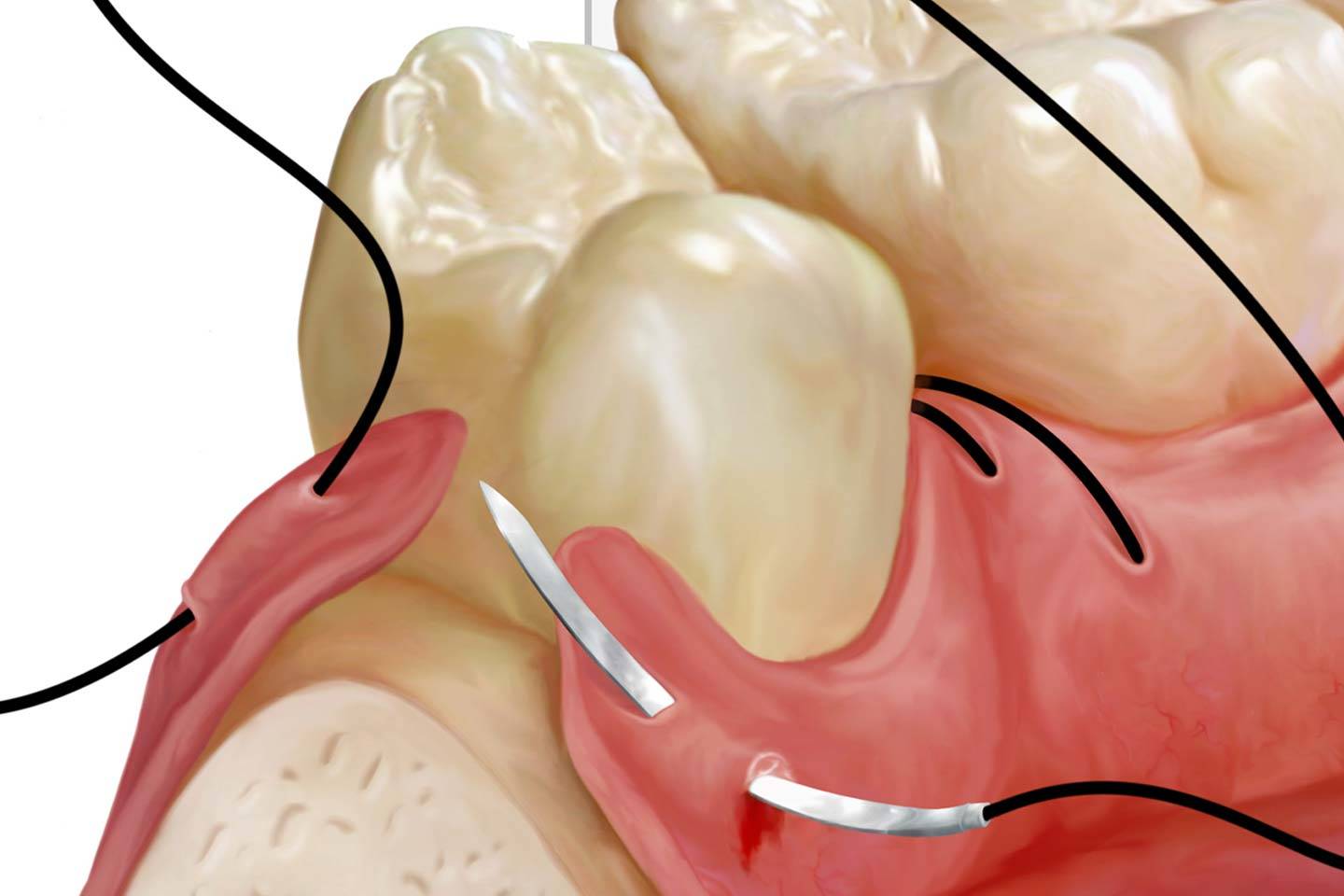
Clinical Term: I&D stands for Incision and Drainage, a standard clinical abbreviation used by dental professionals to describe the surgical opening and clearing of an abscess.
When to Drain an Abscess: Recognizing the Warning Signs
Knowing when an abscess i and d procedure is necessary involves recognizing specific clinical indicators that suggest the infection is escalating. Dental infections rarely resolve without professional intervention, and early recognition of dental infection warning signs can prevent more complex and invasive complications later on. Patients should monitor their symptoms closely and report any significant changes to their dental provider without delay to ensure appropriate care.
The symptoms of an abscess can be categorized into localized physical signs and broader systemic indicators that affect your overall wellbeing. Being aware of abscess pain swelling and other accompanying symptoms is vital for determining the urgency of your situation. For comprehensive guidance on recognizing broader medical emergencies, resources like Healthdirect Australia offer valuable public health information.
Visible and Physical Indicators
The most common physical signs include localized swelling around the affected tooth and the appearance of a small, pimple-like bump on the gum, known clinically as a parulis. Patients typically experience persistent, throbbing pain that can radiate to the jaw, neck, or ear, making everyday activities difficult. This discomfort is often exacerbated by biting pressure or exposure to hot and cold temperatures, indicating that the underlying nerve and tissues are compromised.

Systemic Signs of Spreading Infection
If the infection begins to spread beyond the immediate dental structures, patients may start to experience systemic symptoms that impact their whole body. These can include a general feeling of malaise, an elevated body temperature or fever, and swollen lymph nodes in the neck or under the jaw. Additionally, a sudden rush of foul-smelling and bitter-tasting fluid in the mouth may indicate that the abscess has ruptured spontaneously, which still requires professional follow-up.
Abscess Drainage vs. Alternative Treatment Paths
While an abscess drainage incision is a critical initial step, it is rarely the only treatment required to fully address the underlying dental issue. The drainage manages the acute symptoms and the localized bacterial accumulation, but the compromised tooth structure still needs dedicated attention. Patients must understand the distinct roles of different treatments in managing a dental abscess completely and ensuring long-term oral stability.
Deciding between ongoing management and further dental procedures depends heavily on the extent of the infection and the structural integrity of the affected tooth. Understanding the abscess antibiotics limits is particularly important, as medication alone is generally insufficient for resolving a localized pocket of pus. For detailed medical insights on how dental abscesses develop and require multifaceted treatment, the Cleveland Clinic provides extensive educational resources.
Why Antibiotics Have Limitations
Antibiotics are frequently prescribed to support the overall management of an infection, but they have significant limitations when dealing with a walled-off abscess. The structural nature of an abscess means that there is poor blood supply to the centre of the infection, making it difficult for oral antibiotics to penetrate and clear the bacteria adequately. Therefore, mechanical drainage is almost always necessary to physically remove the accumulated pus and debris before antibiotics can work optimally.
Post-Drainage Steps: Root Canal or Extraction
Following a successful incision and drainage procedure, the dentist will carefully evaluate the tooth to determine the best long-term course of action. If the tooth can be saved, a root canal treatment is often recommended to remove the infected pulp from within the tooth structure and seal it to prevent future issues. However, if the tooth is severely damaged and cannot be restored, a tooth extraction treatment may be the most appropriate option to preserve the surrounding oral tissues.
Safety First: When to See an Emergency Dentist
Recognizing a dental abscess emergency is crucial for preventing severe health complications that can extend well beyond the mouth. While mild discomfort can sometimes wait for a scheduled appointment, certain aggressive symptoms demand urgent attention from a dental professional. Knowing when to see emergency dentist services can make a significant difference in managing the infection appropriately and avoiding hospitalization.
Dental infections can progress rapidly, and delaying care may allow the bacteria to spread to the jawbone, neck spaces, or even the bloodstream. Patients should not rely solely on home remedies or over-the-counter pain relief if warning signs begin to escalate. Prompt professional assessment is the appropriate way to ensure the infection is properly managed, contained, and treated before it becomes a systemic threat.
Signs of Serious Complications
The presentation of severe symptoms requires urgent medical or dental intervention without hesitation. Indicators such as difficulty breathing, trouble swallowing, or rapid facial swelling that extends to the neck or eye area are significant clinical red flags that must be taken seriously. Additionally, a persistent high fever or a feeling of extreme lethargy alongside dental pain strongly indicates that the infection may be becoming systemic and requires immediate emergency care.

EMERGENCY RED FLAGS: If you experience difficulty breathing, trouble swallowing, or rapid facial swelling, these are signs of a severe, potentially life-threatening complication. Do not wait. Seek immediate professional care from an emergency dentist or proceed to your nearest hospital emergency department.
Post-Procedure Care and Long-Term Healing
Proper care following an abscess operation is essential for supporting recovery and minimizing the risk of secondary complications or recurring infections. Your dentist will provide specific instructions tailored to your unique clinical situation, which may include prescribed medications to manage discomfort and prevent further bacterial growth. Adhering strictly to these guidelines ensures that the surgical site is kept clean, undisturbed, and heals optimally over the following weeks.
One common recommendation for post-procedure care at home is the use of gentle saltwater rinses to soothe the area. Many patients wonder, does salt draw out an infection in a tooth? While a saltwater rinse does not resolve an infection entirely on its own, it helps to keep the surgical area clean, reduces localized inflammation, and supports a healthy environment for tissue healing. Patients should always avoid aggressive brushing near the sensitive incision site until it has sufficiently closed.
- Follow all prescription guidelines carefully, completing any recommended antibiotic courses.
- Use warm saltwater rinses gently, exactly as directed by your clinician.
- Maintain a soft food diet for the first few days to avoid irritating the area with hard or crunchy foods.
- Attend all scheduled follow-up appointments so your dentist can properly monitor your healing progress.

Frequently Asked Questions (FAQ)
Understanding the nuances of dental infections can help patients make informed decisions about their ongoing care and recovery. We have compiled answers to some of the most common questions regarding the incision and drainage procedure to provide further clarity.
These responses provide general guidance based on clinical standards and emphasize the importance of professional dental assessment for any oral health concerns. Always consult with your clinician for advice tailored to your specific situation.
Conclusion: Managing Your Oral Health at Karanadowns Dental
Addressing a dental abscess promptly through an appropriate clinical procedure is vital for maintaining your oral health and preventing broader systemic issues. Ignoring the warning signs of a dental infection can lead to unnecessary discomfort, potential tooth loss, and more complex interventions down the line. By understanding the purpose of an incision and drainage procedure, you are better equipped to act quickly and responsibly when symptoms arise.
- Do not ignore signs of localized swelling or persistent throbbing pain.
- Seek professional assessment to determine the most appropriate clinical intervention.
- Follow all professional advice for post-procedure care to support healing.
If you are experiencing persistent swelling, throbbing pain, or other concerning symptoms, timely professional assessment is necessary. Do not delay seeking help for a potential dental abscess emergency. To schedule a comprehensive evaluation with our team, contact Karanadowns Dental now.


