











This article is general information only and does not replace personal medical advice. If symptoms persist or worsen, contact a dentist or your nearest medical service for assessment. Note: Individual results may vary.
Experiencing severe tooth pain is often one of the most intense discomforts a person can endure, frequently signalling that a deeper issue lies beneath the gum line. When an infection develops within or around a tooth, the resulting inflammation creates pressure in a highly sensitive area, making immediate tooth infection pain relief a top priority for anyone affected. Whether the discomfort appears gradually or strikes suddenly in the middle of the night, understanding how to manage the symptoms temporarily is crucial for your comfort and well-being.
However, it is equally important to recognise that home remedies and over-the-counter medications only mask the warning signals your body is sending. A dental infection requires professional clinical assessment to identify and address the root cause. This guide outlines practical steps for short-term symptom management, explains the limitations of common treatments, and highlights the critical warning signs that indicate you need urgent care from our broader range of treatment services.
Immediate Steps to Manage Tooth Infection Symptoms at Home
When you are navigating the early stages of a dental infection, your primary goal to fix tooth infection at home is to reduce inflammation and manage discomfort until you can reach a dental clinic. While you cannot cure an abscess or infection in your bathroom, taking a methodical approach to symptom management can make the wait for an appointment much more tolerable. Being prepared with the right over-the-counter supplies can prevent a stressful situation from escalating into an unmanageable one.
Before attempting any home care, it is vital to remember that these strategies are temporary bridges to professional care. As detailed by the Australian Government's Healthdirect guidelines on dental abscesses, relying solely on painkillers without addressing the underlying bacterial infection can allow the condition to worsen silently. Here are the essential supplies you should consider keeping in your home care kit:
- Standard over-the-counter pain relief (such as paracetamol or ibuprofen)
- A clean cold compress or ice pack
- Warm water and table salt for oral rinsing
- Soft-bristled toothbrush to maintain hygiene without irritating the area

Evidence-Based Over-the-Counter Options
When exploring pain relief options for toothache, non-prescription medications like ibuprofen and paracetamol are frequently recommended by pharmacists. Ibuprofen acts as an anti-inflammatory, which can be particularly useful for reducing the pressure caused by an infection. Paracetamol helps to block pain signals to the brain. In some clinical guidelines, alternating these medications is suggested for severe discomfort, but you must always follow the dosage instructions on the packaging and consult a pharmacist if you have pre-existing medical conditions or are taking other medications.
Managing Localised Swelling
Dealing with jaw swelling and tooth pain often requires external intervention to calm the inflamed tissues. Applying a cold compress wrapped in a towel to the outside of your cheek for 15 to 20 minutes at a time can help constrict blood vessels and temporarily numb the area. This tooth infection swelling care should never involve placing ice directly against the skin or the tooth itself, as extreme cold can trigger sharp nerve pain and damage delicate facial tissues.
Saltwater Rinses for Oral Hygiene
A warm saltwater rinse is a traditional, well-tolerated method for keeping the infected area clean. Dissolving a half-teaspoon of salt in a cup of warm (not hot) water and gently swishing it around the mouth can help draw out some fluid from swollen gums and neutralise the oral environment. While it will not penetrate the tooth to eliminate an infection, it helps manage surface bacteria and provides mild, soothing relief to irritated soft tissues.
Comparison: Common Pain Relief Methods for Dental Infections
Understanding the strengths and limitations of different relief strategies helps set realistic expectations for your recovery. Many patients search for tooth abscess pain relief fast, hoping a single pill or home remedy will resolve the issue permanently. Unfortunately, because an abscess is a sealed pocket of pus, external treatments struggle to reach the core of the problem.
The table below provides a clear comparison of how various methods impact dental infections. It highlights why home care focuses on the symptoms, whereas clinical intervention targets the source. If you are experiencing a severe infection, professional drainage or treatment is the only method that offers definitive, long-term resolution.
The Role of Antibiotics: Can They "Fix" a Tooth Abscess?
A common misconception in dental care revolves around the question: can antibiotics remove abscess pockets entirely? It is natural to assume that a bacterial infection simply requires a course of antibiotics to disappear. However, the anatomy of a tooth complicates this. The centre of the tooth, where the nerve and blood vessels reside, loses its blood supply when infected and dies. Because antibiotics travel through the bloodstream, they cannot effectively reach the dead space inside the tooth to clear the bacteria.
According to experts at the Mayo Clinic, antibiotics are typically reserved for situations where the infection has spread to nearby teeth, the jaw, or if you have a compromised immune system. They are an adjunctive measure to prevent systemic spread, not a substitute for mechanical treatment. To fully address the issue, a dentist must perform a physical intervention, which is why we often provide an abscess drainage incision guide or discuss options like root canal therapy to save the natural tooth.

Identifying Dental Infection Warning Signs (The Safety Checklist)
Recognising the difference between a standard toothache and a spreading infection is vital for your health and safety. Dental infection warning signs often progress from localised discomfort to broader, systemic issues that affect your whole body. If an abscess ruptures, you might notice a sudden decrease in pain accompanied by a foul taste in your mouth, but this does not mean the infection is cured—it simply means the pressure has been released and the bacteria are spreading into your mouth.
Use the following practical checklist to monitor your symptoms at home. If you check any of these boxes, it indicates that the infection is active and requires professional assessment. Tracking these symptoms can also provide valuable information to your dentist during your consultation.
Visual Changes in the Gums
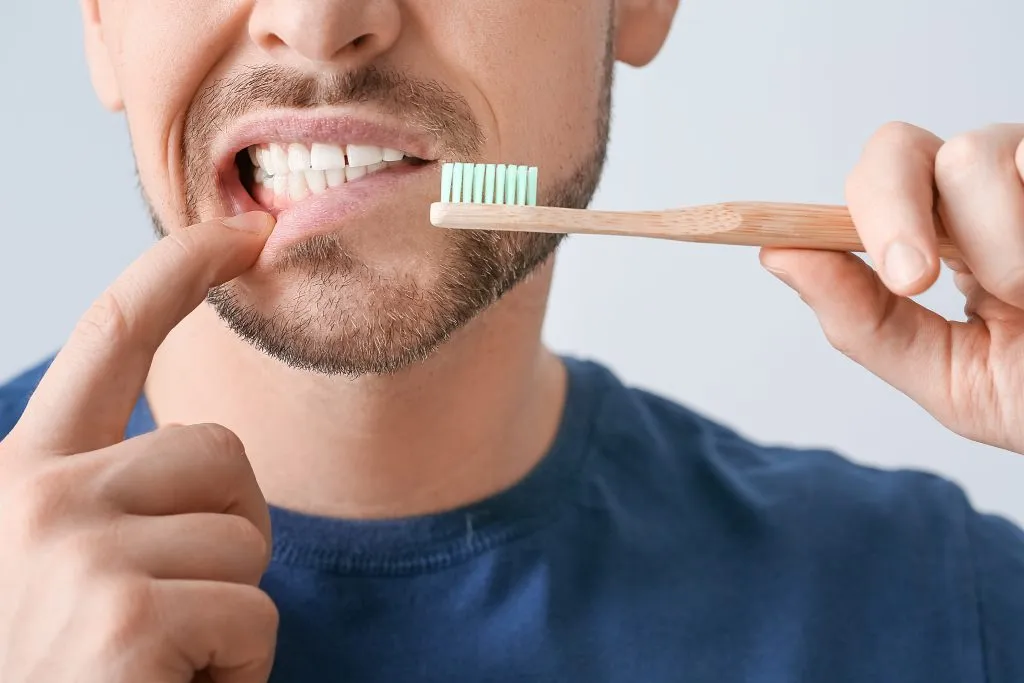
When monitoring for an infection, closely examine the gum tissue surrounding the sore tooth. You may notice severe redness, puffiness, or the presence of a small, raised bump that resembles a pimple. This bump is often an exit point for pus draining from the root of the tooth. Even if the bump pops and the pressure subsides, the underlying bacterial source remains firmly established inside the tooth and requires professional cleaning.
Systemic Symptoms
A dental infection becomes a larger medical concern when it begins to affect your overall health. Systemic symptoms include a persistent fever, general fatigue, a feeling of malaise, and swollen, tender lymph nodes under your jaw or in your neck. These signs indicate that your immune system is actively fighting to keep the infection from spreading into your bloodstream, necessitating prompt clinical support.
Wisdom Tooth Pain vs. Abscess
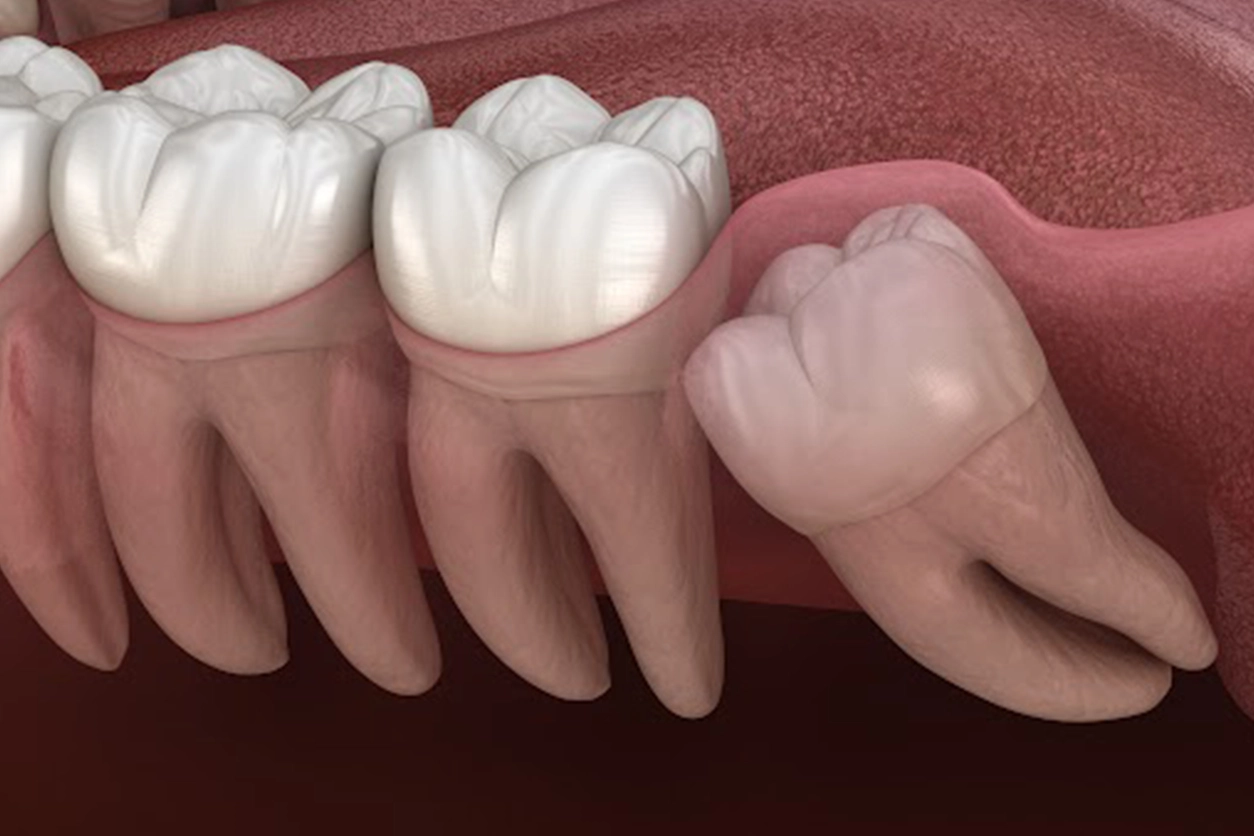
It can sometimes be difficult to distinguish between the pain of an erupting tooth and an active abscess. Wisdom tooth pain relief often involves managing inflammation of the gum flap covering the partially erupted tooth (pericoronitis). However, if bacteria become trapped under this flap, an infection can develop rapidly. If you are seeking home treatment for wisdom tooth pain but notice swelling spreading to your cheek or difficulty opening your mouth, professional assessment is required. In some cases, exploring tooth extraction care may be the most appropriate long-term solution.
Safety First: When to See an Emergency Dentist Immediately
While many dental issues can wait a day or two for a scheduled appointment, certain symptoms demand immediate attention. An untreated dental infection has the potential to spread to vital structures in the head and neck, posing a severe risk to your overall health. Knowing when to see emergency dentist professionals can prevent a painful situation from becoming a life-threatening medical emergency.
If you are managing pain at home but notice a sudden escalation in symptoms, you must abandon home care and seek urgent help. Clinical intervention at this stage prioritises your systemic safety, often involving immediate drainage, prescribing appropriate antibiotics, and stabilising your condition before definitive dental work is performed.
Red Flag Warning Signs
Seek immediate emergency dental or medical care (such as a hospital emergency department) if you experience any of the following:
- Difficulty breathing or swallowing.
- Severe facial swelling that is spreading toward your eye or down your neck.
- An inability to open your mouth fully (trismus).
- A high, persistent fever accompanied by confusion or a rapid heart rate.

Frequently Asked Questions (FAQs)
When dealing with the stress of a toothache, it is common to have questions about what is happening and how to handle it safely. Patients often wonder if they can simply wait out the discomfort or if traditional folk remedies are effective. Addressing these common concerns can help clarify why clinical evaluation remains the gold standard for dental health.
Below, we have compiled answers to some of the most frequently asked questions regarding tooth infections. These insights aim to dispel myths, provide clarity on safe travel, and explain the physical sensations associated with a deteriorating tooth.
How long can I wait to treat a tooth infection?
You should not wait to treat a tooth infection. Unlike a common cold, a dental abscess will not heal on its own. Delaying treatment allows the bacteria to destroy more of the tooth structure, bone, and surrounding tissue, which can lead to more complex and costly procedures later.
Will a tooth infection go away on its own?
No, a tooth infection will not go away without clinical intervention. Even if the pain stops—which often happens if the nerve inside the tooth dies entirely—the bacteria remain. The infection will continue to spread silently into the jawbone until it is physically cleaned out by a dentist.
Can I fly with a tooth abscess?
Flying with an active tooth abscess is highly discouraged. The changes in cabin pressure during a flight can cause trapped gases inside the infected tooth to expand, leading to excruciating, unmanageable pain while in the air. Always seek a dental clearance before flying if you suspect an infection.
What does a "dying" tooth feel like?
A dying tooth initially presents with intense sensitivity to hot and cold, followed by a persistent, throbbing ache. As the nerve tissue deteriorates completely, the sharp pain may dull, but the tooth often becomes extremely tender to bite down on or tap, indicating inflammation at the root tip.
Does clove oil actually work for infections?
Clove oil contains eugenol, which has natural numbing properties and can provide temporary topical relief for nerve pain. However, it does not cure the infection or eliminate the bacteria. It should be used sparingly, as applying too much raw clove oil can burn the gums and soft tissues.
Next Steps for Your Dental Health
Managing the symptoms of a dental infection at home is a necessary first step when you are caught off guard by severe pain. Using cold compresses, careful over-the-counter medication management, and saltwater rinses can make a significant difference in your short-term comfort. However, recognising that these methods are only temporary measures is the key to protecting your long-term oral health and preventing systemic complications.
If you are currently relying on pain relief to get through the day, or if you have noticed any warning signs such as swelling, fever, or a persistent bad taste in your mouth, it is time to transition from home management to clinical care. A professional assessment will identify the exact cause of your discomfort and outline a definitive treatment plan.
- Monitor your symptoms closely using the safety checklist.
- Maintain gentle oral hygiene without aggravating the painful area.
- Seek urgent medical attention if you experience red-flag symptoms like facial swelling or difficulty swallowing.
- Schedule a clinical assessment to address the root cause of the infection.
Do not let a dental infection dictate your comfort or put your overall health at risk; take action today and contact Karanadowns Dental to arrange a thorough assessment and discuss your treatment options.


