





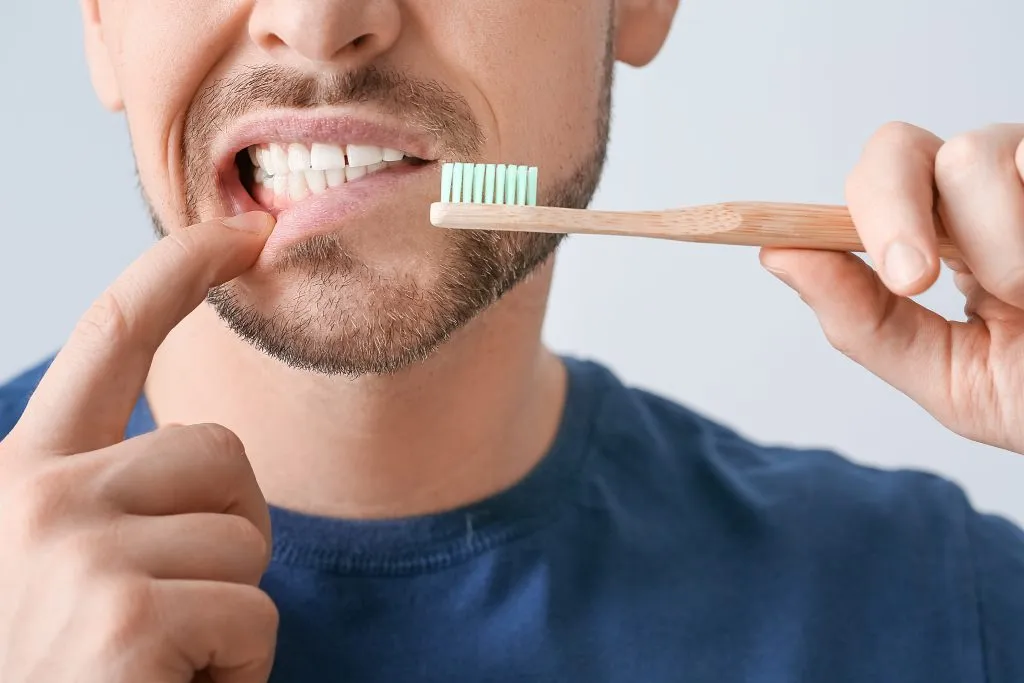



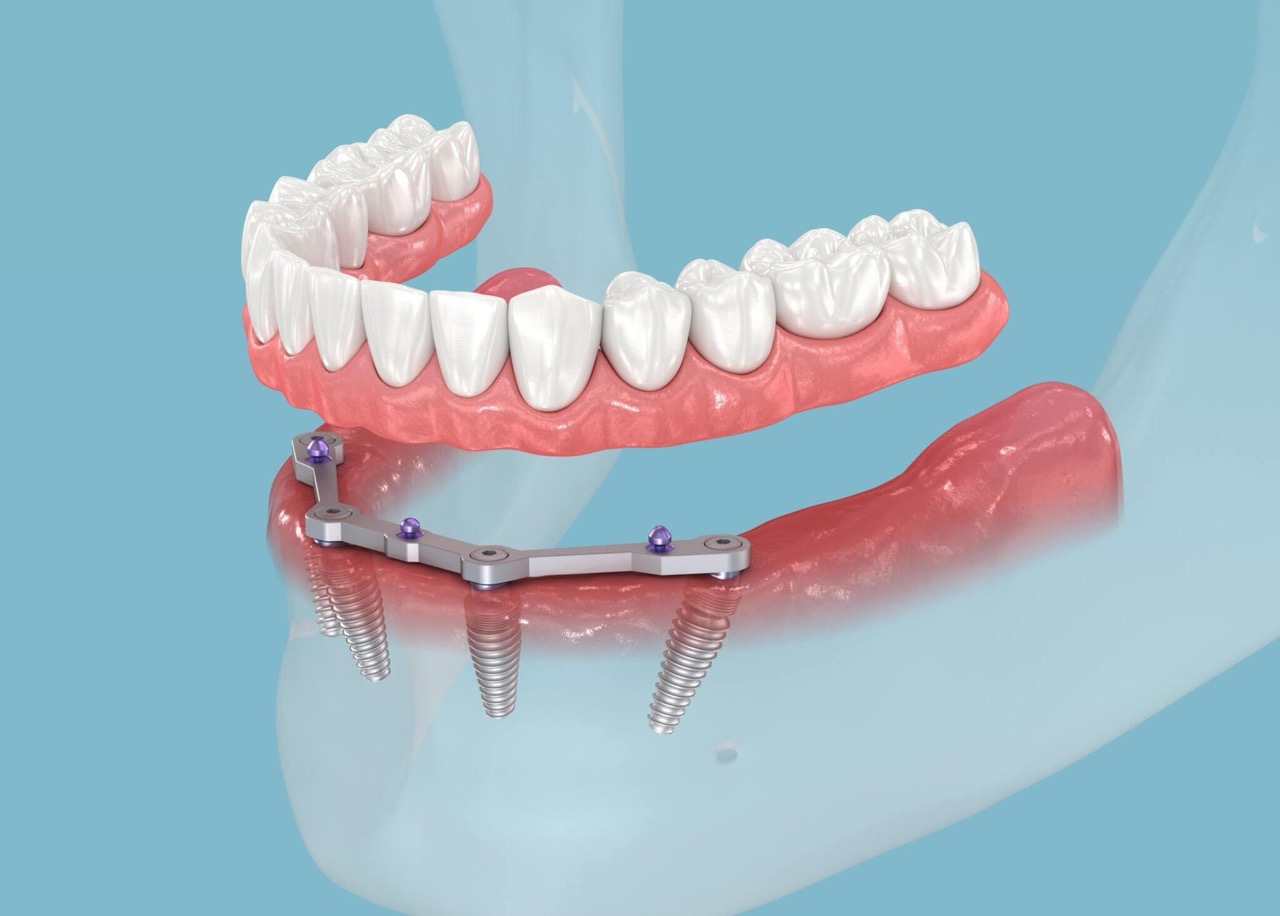


Gum recession happens when the gum margin moves away from the tooth, making the tooth look longer or exposing part of the root surface. It can affect one tooth, several teeth or the whole mouth. Some people first notice sensitivity to cold drinks, a notch near the gumline or a change in how their smile looks. Related planning decisions can also involve gum recession symptoms, depending on site constraints and project goals.
This guide explains gum recession in plain Australian patient language, including common signs, causes, home-care habits and when to arrange a dental assessment. It is general information only and does not replace advice from your own dentist. Note: Individual results may vary.
What is gum recession?
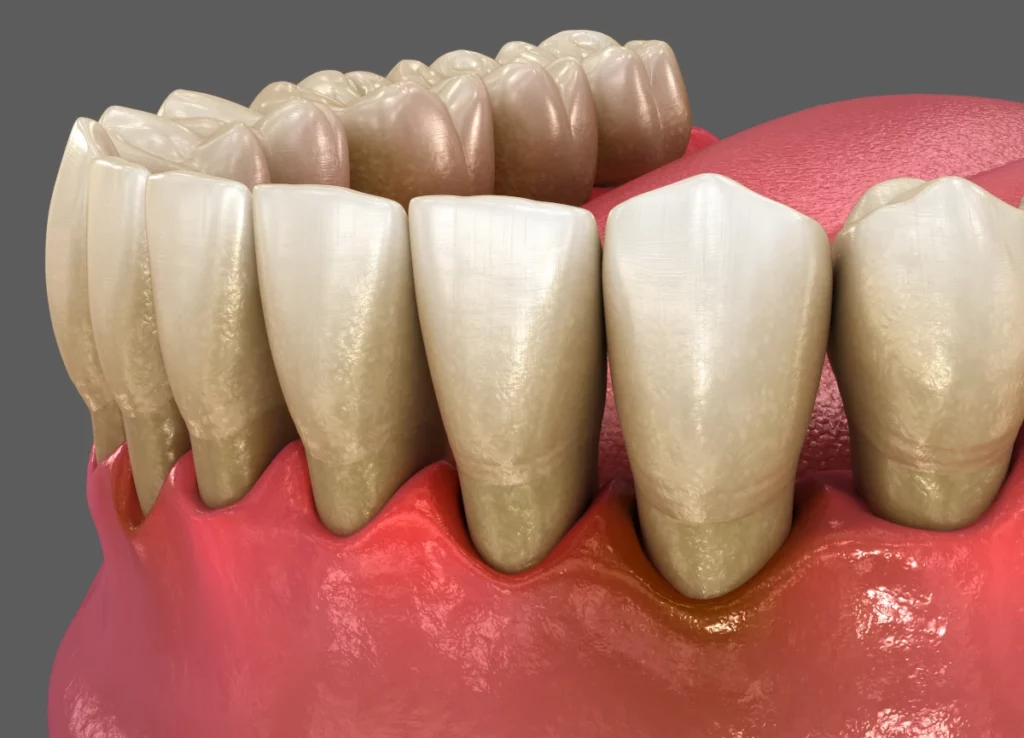
Healthy gums sit around the neck of each tooth and help protect the underlying root surface. With gum recession, the gum edge sits lower on the tooth than it used to. The exposed root can be more sensitive because it is not covered by enamel in the same way as the visible crown of the tooth.
Gum changes are worth checking because the cause can vary. For one person, recession may relate to heavy brushing. For another, it may be linked with gum disease, tooth position, clenching, past orthodontic movement, smoking or a combination of factors. A dentist can assess the pattern and look for signs that need treatment.
Signs and symptoms to watch for
Gum recession can develop gradually, so it is not always obvious at first. Common signs include:
- Teeth that look longer than they used to.
- Cold, sweet or brushing sensitivity near the gumline.
- A visible yellowish root surface near the gum edge.
- A notch or groove close to the gumline.
- Food catching between teeth where gum has changed.
- Bleeding gums, swelling or bad breath, which may suggest gum inflammation.
- Changes in tooth position, bite comfort or looseness.
Sensitivity does not always mean recession, and recession does not always cause pain. That is why visual checks and periodontal measurements during a dental check-up and clean can be useful.
Common causes and risk factors
There is rarely one single cause for every case. The most common contributors include:
Gum inflammation or periodontal disease
Plaque bacteria can irritate the gums. If inflammation progresses deeper, it may affect the supporting tissues around teeth. Gum recession linked with periodontal disease needs professional assessment because the focus is not only the gum edge, but also the bone and ligament support around the tooth.
Brushing pressure and technique
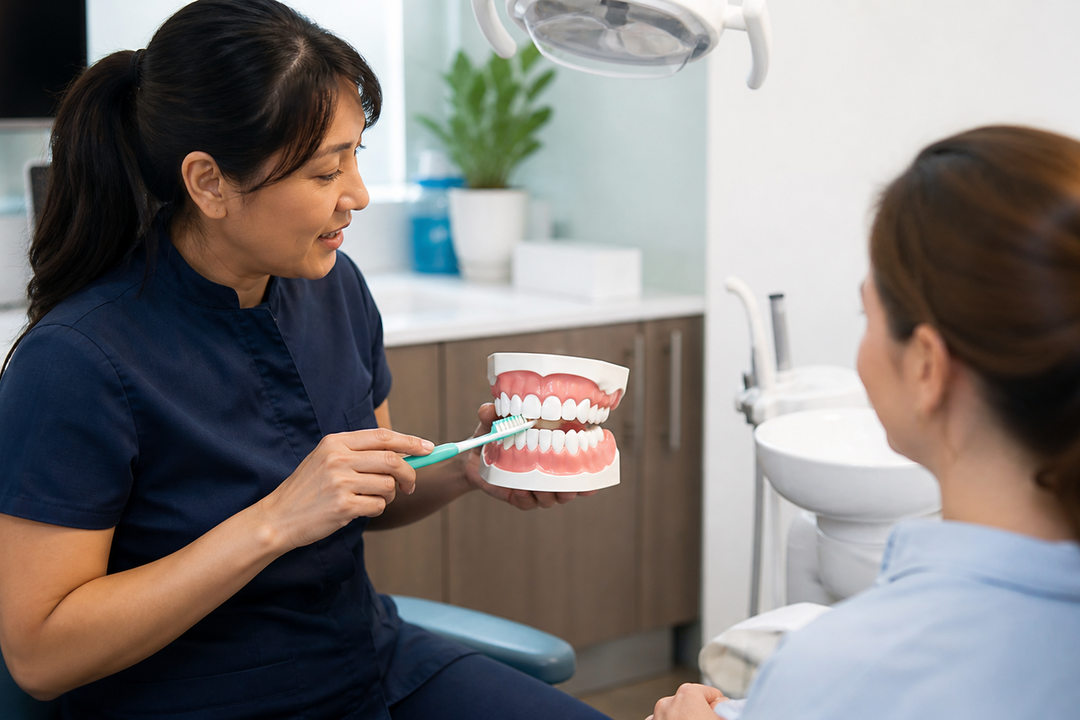
Scrubbing hard with a firm toothbrush can wear the gumline and root surface over time. A soft-bristled brush, gentle pressure and small circular movements are usually kinder to the gums than aggressive side-to-side scrubbing.
Tooth position and a thin gum type
Some teeth sit slightly outside the arch or have naturally thinner gum tissue over the root. These areas may be more prone to recession, especially if other risk factors are present.
Clenching, grinding and bite forces
Heavy bite forces may contribute to wear near the gumline or make existing gumline concerns more noticeable. A dentist may check your bite, tooth wear and jaw habits if symptoms suggest clenching or grinding.
Smoking, vaping and general health factors
Smoking can affect gum health and healing. Some medical conditions, medications and dry mouth concerns can also influence oral health. Tell your dentist about your health history so the advice fits your situation.
Can receding gums grow back?
A common question is whether receding gums will grow back by themselves. In most cases, once gum tissue has receded, it does not simply return to its previous position with brushing or mouthwash. Home care can still matter because it may help reduce irritation, manage sensitivity and lower the chance of further damage.
Some dental procedures may be considered for selected cases, but suitability depends on the cause, severity, gum thickness, tooth position, oral hygiene, smoking status and overall periodontal health. It is important not to assume that every case of gum recession needs the same treatment.
When should you see a dentist?
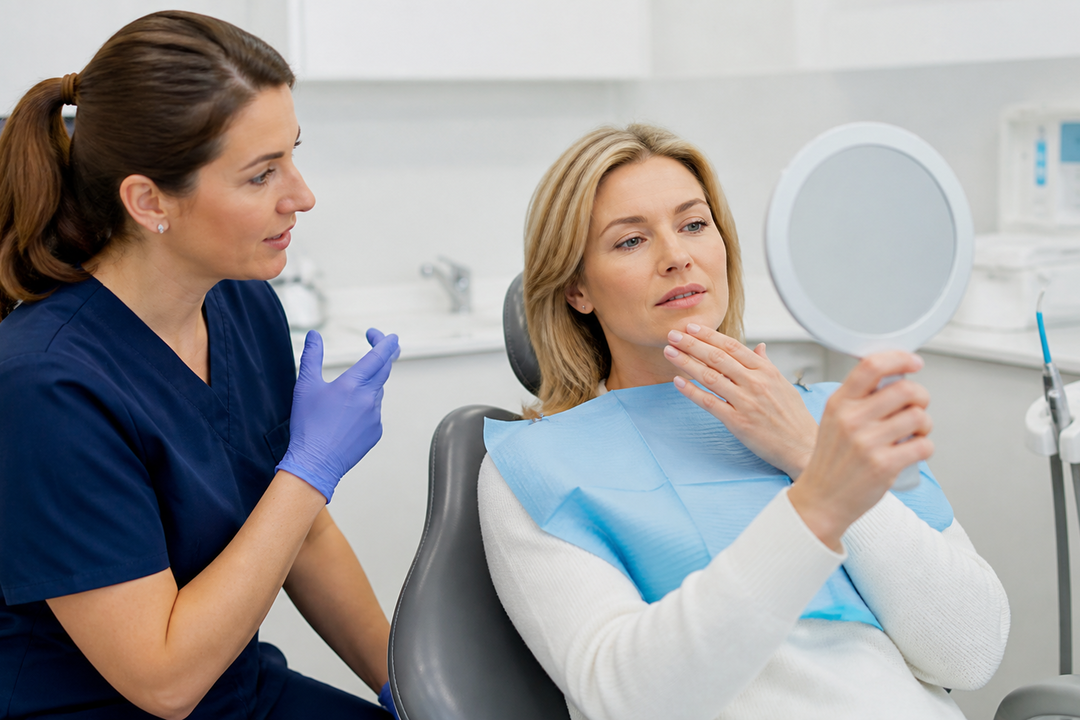
Arrange a dental appointment if you notice new or worsening gum recession, sensitivity that persists, bleeding gums, swelling, bad breath, exposed root surfaces or a tooth that feels loose. You should also seek care if food is trapping around the gumline or if you are avoiding brushing because the area feels tender.
Seek prompt dental advice if gum symptoms come with facial swelling, fever, pus, severe tooth pain or difficulty swallowing. These signs can suggest infection or another issue that needs timely care. For tooth pain guidance, see this article on when tooth pain needs dental care.

Prevention and home care checklist
Home care cannot replace a dental assessment, but daily habits can support gum health. Use this checklist as a starting point:
If you are overdue for a review, the article on regular dental check-ups explains why routine visits can help identify changes before they become harder to manage.
Dental management options to discuss
The right approach depends on what is causing the gum recession. Your dentist may begin by measuring gum pockets, checking plaque and calculus levels, reviewing brushing technique, assessing tooth wear and taking dental X-rays if needed.
Karana Downs Dental can explain relevant dental treatment services after an examination. Treatment recommendations should be based on your mouth, risk factors and goals, rather than a one-size-fits-all approach.
FAQ
Is gum recession always caused by gum disease?
No. Gum disease is one possible cause, but recession can also relate to brushing pressure, tooth position, clenching, thin gum tissue, smoking or previous orthodontic movement. A dental exam helps identify the likely contributors.
Can mouthwash fix receding gums?
Mouthwash will not rebuild lost gum tissue. It may be recommended in some situations as part of plaque control, but it should not be used as a substitute for brushing, interdental cleaning or dental assessment.
Why are my teeth sensitive near the gumline?
Exposed root surfaces, enamel wear, cracks, decay or gum inflammation can all cause sensitivity. If sensitivity continues or worsens, see a dentist to check the cause before choosing a treatment product.
Can gum recession be prevented from getting worse?
Sometimes risk can be reduced by changing brushing technique, improving plaque control, treating gum inflammation, managing clenching factors or stopping smoking. The right steps depend on the cause and severity.
Should I stop brushing an area that is receding?
No. Plaque left at the gumline can make inflammation worse. Instead, use gentle technique and ask your dental team to show you how to clean the area without excessive pressure.
Get gum changes checked early
Gum recession is common, but it should not be ignored. The key is to find out why the gumline is changing and whether sensitivity, inflammation, tooth wear or periodontal disease is involved. Early advice can help you choose appropriate home care and understand whether any dental management is needed.
If you have noticed receding gums, exposed roots or ongoing sensitivity, you can book an appointment with Karana Downs Dental for an assessment and personalised advice.
For further general information about gum disease, you can also read the Healthdirect Australia’s patient resource on gum disease at teeth.org.au.


