










Direct onPaste Test
This was inserted directly via hInstance.onPaste!
Replaced Entire Content Test
This paragraph completely replaced the previous content!
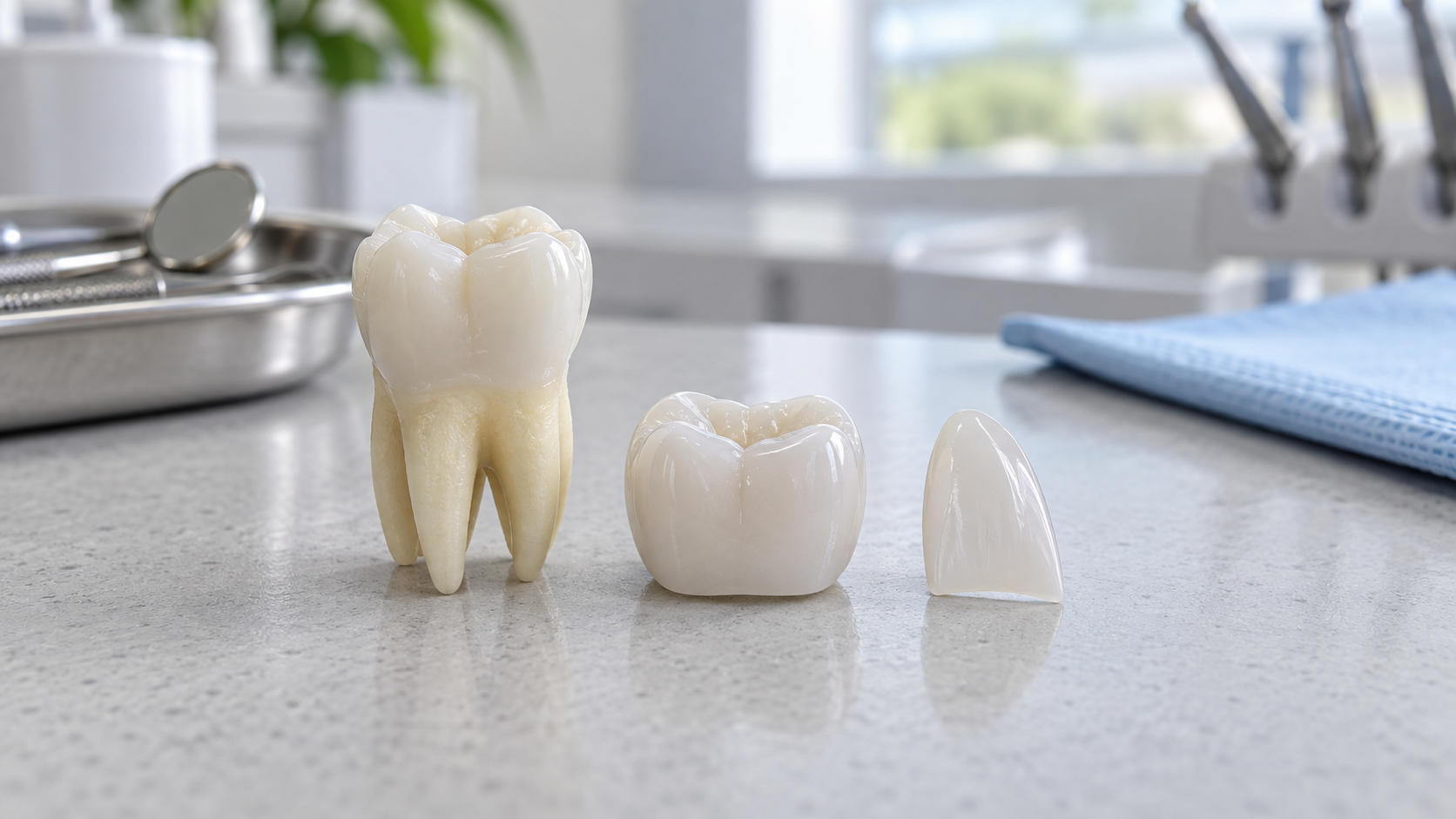
A dental crown and a veneer can both change the appearance of a tooth, but they are designed for different situations. A crown covers and protects most of the tooth, while a veneer is a thinner covering bonded mainly to the front surface. The right discussion depends on the tooth’s condition, the amount of healthy structure remaining, your bite and your treatment goals. Related planning decisions can also involve crown or veneer for damaged tooth, depending on site constraints and project goals.
In brief: crowns are generally considered when a tooth needs broader restoration or protection. Veneers are generally considered when the tooth is suitable for a more surface-focused cosmetic change. An examination is needed to assess whether either option is appropriate.
Dental crown vs veneer: the key differences
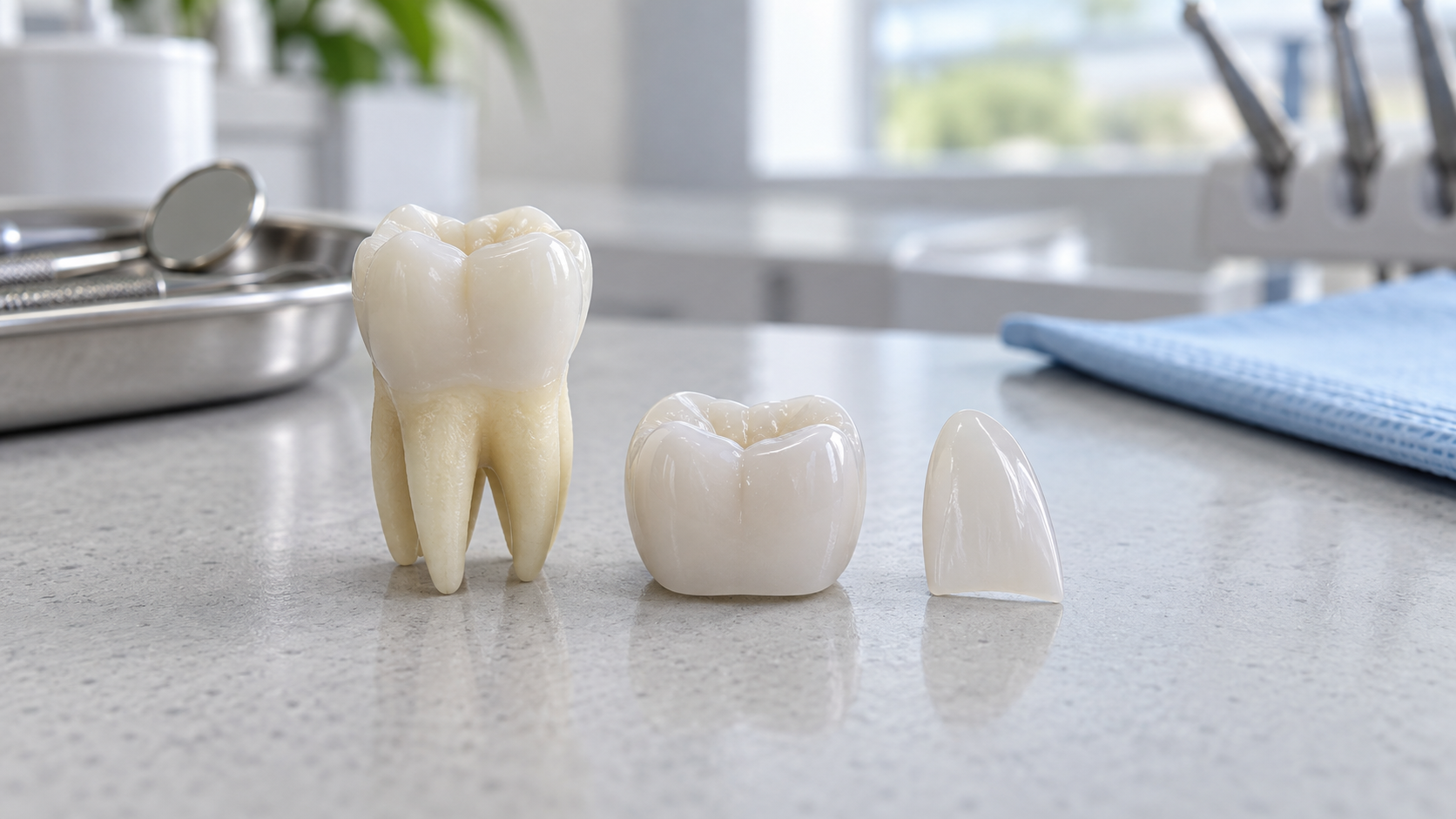
FactorDental crownDental veneerCoverageFits over most of the visible tooth and can help protect weakened structure.A thin shell bonded mainly to the front surface.Common purposeRestoration of a tooth affected by substantial damage, decay, a large filling or a crack.Addressing selected changes in colour, shape, small chips or spacing where the tooth is suitable.Tooth structureUsually requires more reshaping so the crown can fit over the tooth.Often involves preparing a smaller amount of the front surface, but it is not automatically reversible.Typical locationCan be used on front or back teeth when structural support is needed.Most commonly discussed for visible front teeth.Material and processMay be made from ceramic, porcelain-fused material or other dental materials, with the choice guided by the tooth and bite.May be ceramic or composite resin. Ceramic options commonly involve planning, preparation, a scan or impression and bonding.
You can read more about dental crowns at Karanadowns Dental and the clinic’s veneer treatment information.
When might a crown be discussed?

A crown may be discussed when a tooth has lost enough structure that a front-surface covering would not provide the protection or coverage required. Examples can include a heavily restored tooth, a tooth weakened by decay, a significant crack or a tooth that needs protection after other treatment. The extent and position of the damage matter; a crown is not chosen solely because it can change a tooth’s appearance.
The dentist may assess the tooth, surrounding gums, bite and any symptoms before recommending a restoration. If the tooth is painful, sensitive, fractured or changing colour, the cause should be assessed before cosmetic planning.
When might a veneer be discussed?

A veneer may be discussed for selected cosmetic concerns affecting the visible surface of a suitable tooth, such as discolouration that has not responded to whitening, a minor chip, a small gap or a shape concern. Veneers rely on an appropriate amount and quality of tooth surface for bonding, so they are not a substitute for restoring a tooth that is extensively weakened.
The dental veneer process guide explains why planning, shade selection, preparation and review are important. The process and material can vary depending on whether ceramic or composite resin is being considered.
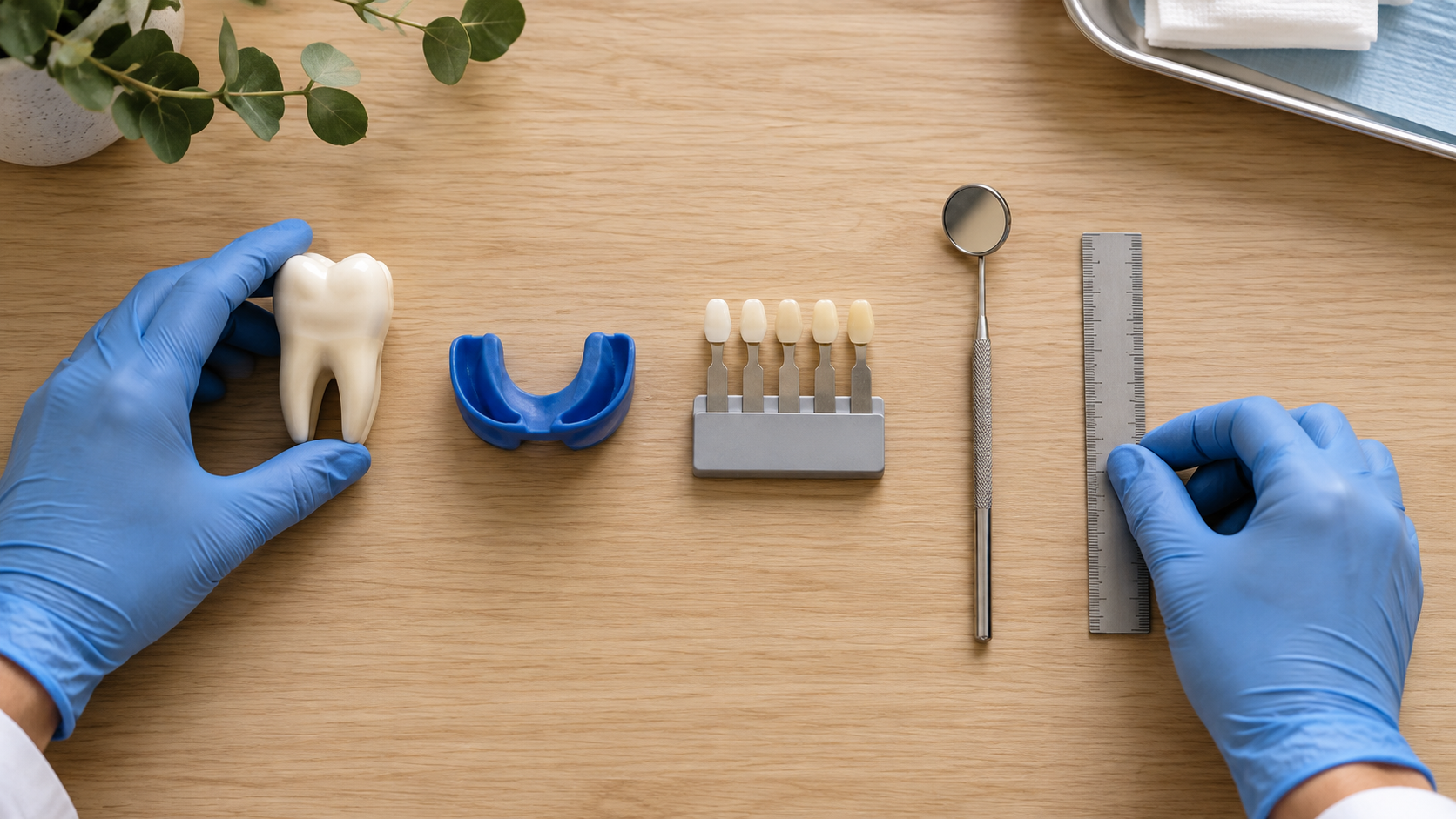
Five assessment factors that can change the discussion
- How much tooth structure remains: the extent of damage and existing fillings may influence whether broader coverage is needed.
- Where the tooth is located: biting forces and visibility differ between back and front teeth.
- Your bite and habits: clenching, grinding or biting hard objects may affect planning and maintenance.
- Gum and tooth health: active decay, gum inflammation or infection may need attention first.
- Your goals: a functional repair and a cosmetic change are not the same treatment objective.
Maintenance after a crown or veneer
Both restorations still need regular brushing, cleaning between the teeth and dental reviews. A restoration does not prevent decay at its margins or replace care for the surrounding gums. Avoid using teeth to open packaging, and mention grinding or jaw tension at an appointment. If a restoration feels loose, sharp or uncomfortable, arrange an assessment rather than trying to adjust it yourself.
Questions to take to your dental assessment

What is causing the change or damage to the tooth? How much healthy tooth structure would need to be prepared? Is the bite, gum health or another tooth affecting the plan? Which material and appointment sequence are being considered? What care, review and possible maintenance would be relevant?
When to seek dental care promptly

Seek prompt dental advice if you have swelling, severe or persistent pain, a tooth that has broken, difficulty opening your mouth, or a restoration that has come away. Facial swelling, difficulty breathing or difficulty swallowing requires urgent medical attention.
Frequently asked questions
Is a crown or veneer better?
Neither is universally better. A crown and a veneer address different needs, and the appropriate option depends on the tooth’s health, structure, position, bite and goals.
Can a veneer cover a damaged tooth?
A veneer may not provide enough coverage for a substantially weakened tooth. The type and extent of damage need to be assessed before choosing a restoration.
Do crowns and veneers require tooth preparation?
Both may involve preparation, although the amount and location differ. Your dentist should explain what is planned for the specific tooth.
Can I choose based only on appearance?
Appearance is one consideration, but the tooth must also be healthy enough for the proposed treatment and able to function within your bite.
A personalised assessment can clarify the options
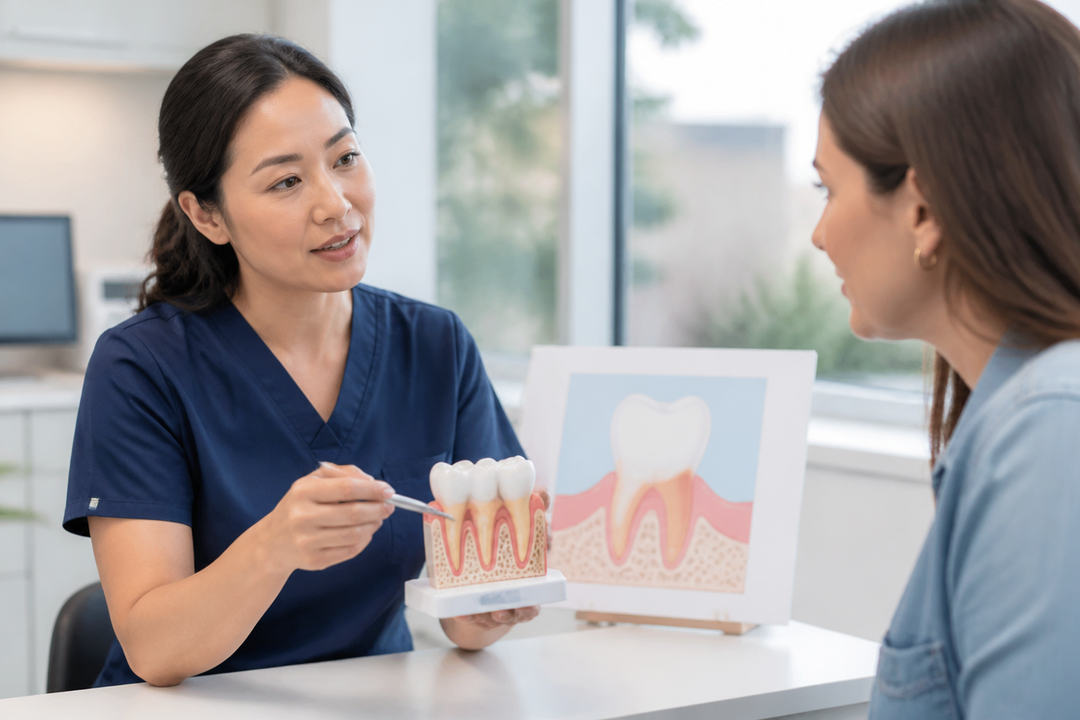
A dental crown vs veneer discussion should begin with the condition of the tooth, not a one-size-fits-all rule. If you are considering treatment for a damaged or cosmetic tooth, you can contact Karanadowns Dental to arrange an appointment and discuss the findings with a dentist.
This article provides general information only and does not replace an examination or personalised dental advice. Note: Individual results may vary.


