












It is understandable to notice a different feeling after a dental filling. A tooth may react briefly to cold, heat, sweet foods or pressure while the tooth and surrounding tissues settle after treatment. The useful question is not only how long the sensitivity has been present, but what triggers it, how long each episode lasts and whether the overall pattern is improving.
This guide is general information, not a diagnosis. Your treating dentist is best placed to assess the tooth, filling and bite.
What can sensitivity after a filling feel like?

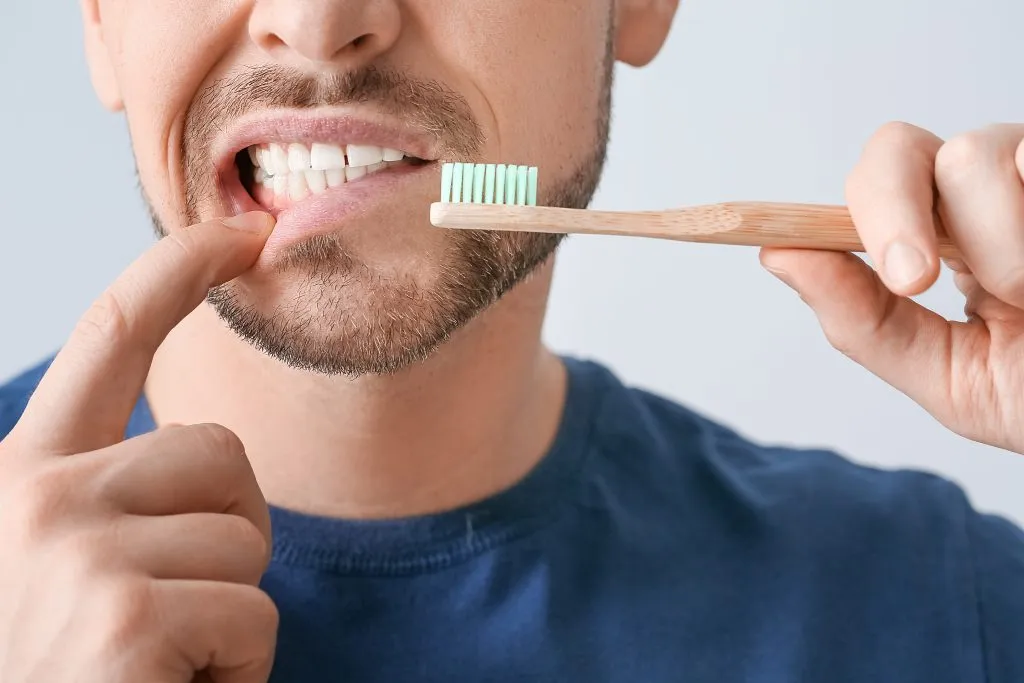
- A brief sharp twinge with a cold drink, cold air, heat or sweet food.
- Mild tenderness when chewing or pressure is applied.
- Soreness around the gum or injection site.
- A tooth that feels more noticeable than its neighbours.
A short-lived response to a clear trigger may be less concerning when it is mild and gradually settles. That description does not guarantee a particular recovery time: the depth and location of the original decay, the treatment and your individual response all matter.
Why might a filled tooth feel sensitive?

Preparing a tooth involves cleaning damaged tissue and placing restorative material. The nerve inside the tooth can be temporarily reactive, particularly when the original cavity was close to it. Pressure sensitivity can also relate to how the tooth is contacting its opposing tooth after the filling.
When should you contact your dentist?
Arrange dental advice if sensitivity is severe, worsening, persistent without improvement or interfering with eating or sleep. Contact the practice promptly if you notice:
- pain that starts without cold, heat, sweet food or biting;
- pain that lingers after a stimulus rather than fading promptly;
- throbbing or night pain;
- swelling, fever, a bad taste, drainage or a gum lump near the tooth;
- a filling that feels loose, cracked or rough, or floss that repeatedly catches;
- pain when biting that does not settle, especially if the tooth feels taller than the others.
These signs do not identify the cause by themselves. An examination may be needed to distinguish post-treatment sensitivity from a bite issue, a problem involving the tooth’s nerve or another dental condition.
What if the filling feels high or hurts when biting?

After the numbness has worn off, notice whether the filled tooth touches first when you close your teeth, feels “too tall” or is uncomfortable each time you chew. Tell your dentist exactly what you feel. They can check the bite and decide whether any adjustment or further assessment is appropriate. Do not try to file or alter the filling yourself.
- Cold, heat or sweet trigger: Which trigger, which tooth and whether the sensation fades quickly or lingers
- Pain when chewing: Whether the tooth feels high, and whether pressure or release is more painful
- Unprovoked pain: Whether it throbs, wakes you or occurs without eating or drinking
- Gum or facial change: Swelling, redness, bad taste, drainage or fever
What can you do while monitoring symptoms?

- Follow the aftercare instructions given by your dentist.
- Brush gently with fluoride toothpaste and keep the area clean.
- Temporarily avoid a personal trigger if it brings on discomfort.
- Choose foods that are comfortable and chew on the other side if advised and practical.
- Record the trigger, duration, severity and whether the pattern is improving.
- If considering an over-the-counter pain medicine, follow the label and pharmacist advice and check that it is suitable for you.
How is this different from toothache or infection?
This article focuses on a tooth that was recently filled. A general toothache that began before treatment, pain in several teeth or symptoms unrelated to the filled tooth need a broader assessment. Swelling, fever, drainage or a bad taste can be warning signs of infection and should not be explained away as routine sensitivity.
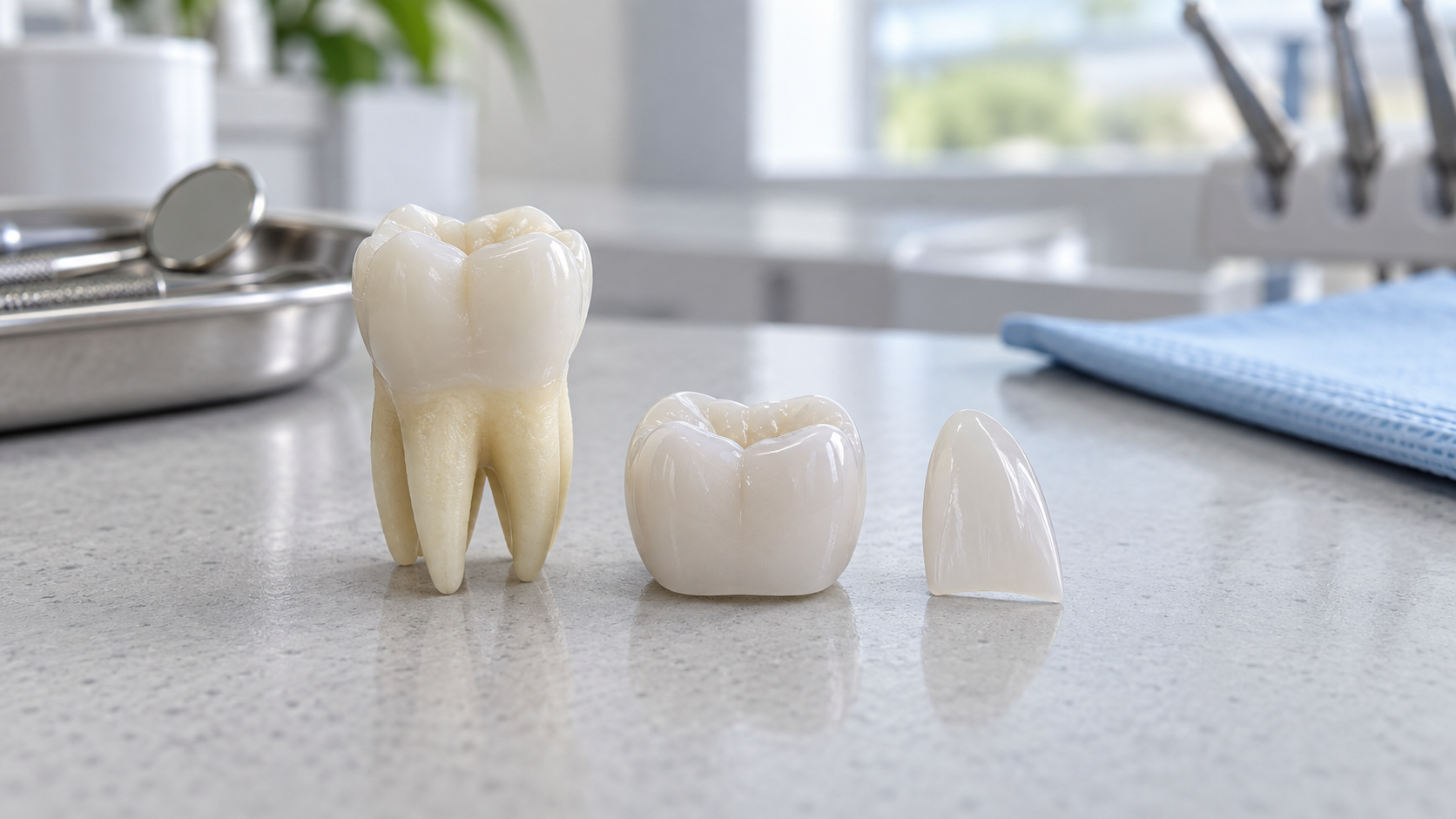
It is also different from discomfort after a dental crown or questions about veneers. Those restorations have different treatment steps and assessment considerations.
When is it an emergency?
Seek urgent medical help if dental swelling is rapidly spreading or you have difficulty breathing or swallowing. In Australia, call 000 for an immediate breathing or swallowing emergency. For other concerning symptoms, contact a dentist promptly rather than relying on an online timeline.
Frequently asked questions
Is sensitivity after a filling always a problem?
No. Mild, trigger-related sensitivity can occur after treatment, but worsening, lingering, spontaneous pain or swelling warrants dental advice.
Why does my tooth hurt when I bite after a filling?
The bite may need checking, especially if the tooth feels high or contacts first. Other causes are possible, so ask the treating dentist to assess it.
Should I wait for sensitivity to go away?
Monitor the pattern only if symptoms are mild and improving and you have no warning signs. If you are unsure, contact your dentist and describe the trigger, duration and change over time.
Can I adjust the filling at home?
No. Do not file, pick at or otherwise alter a filling yourself. A dentist should check the restoration and bite.
Need advice about a filled tooth?
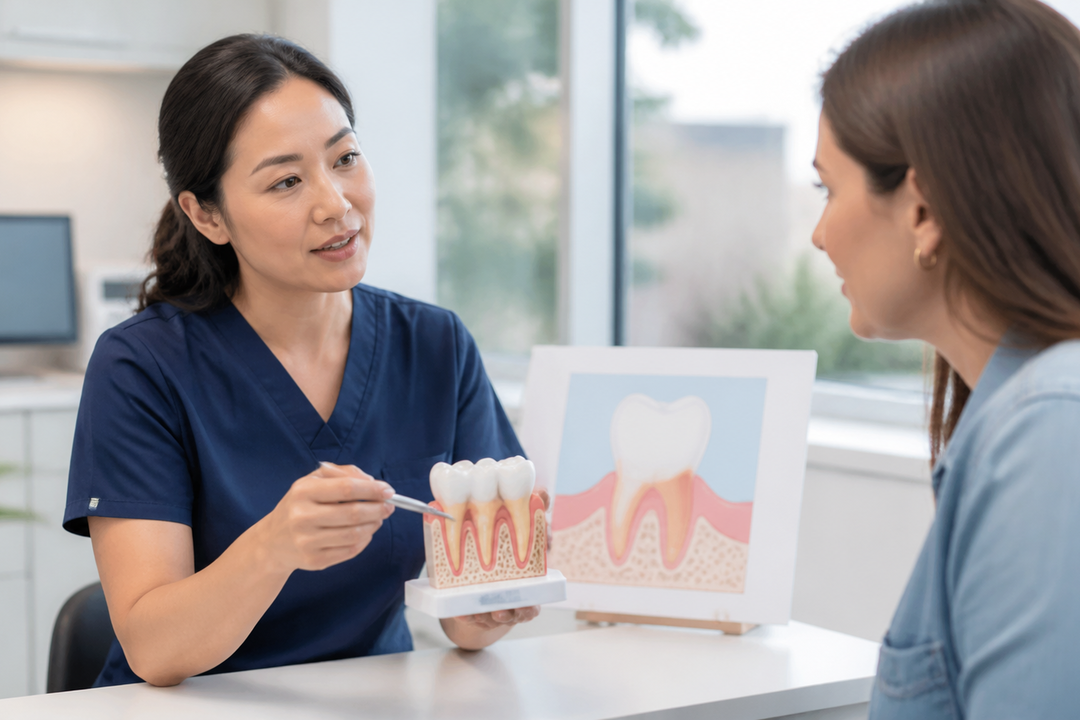
Karanadowns Dental can assess symptoms after a filling and explain the next step based on your tooth, restoration and bite. Bring details about when the filling was placed, what triggers the sensation, how long it lasts and whether anything is worsening. You can contact Karanadowns Dental to arrange an assessment.
Note: Individual results may vary. This article is general information only and is not a substitute for an examination or personalised dental advice.


